

Introduction
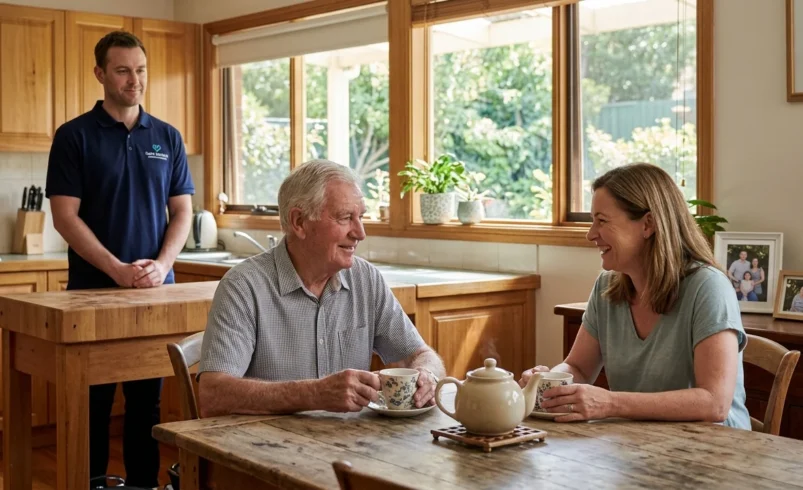
When an individual is living with a serious or life-limiting illness, the focus of care often extends beyond medical treatment alone. Comfort, dignity, emotional wellbeing, and quality of life become increasingly important considerations for both the individual and their family. This is where palliative care plays a vital role. Palliative care is designed to support people living with serious illnesses by helping manage symptoms, improve comfort, and provide emotional, practical, and psychological support. While many people associate palliative care solely with the final stages of life, it can actually be introduced much earlier and work alongside other treatments. For many Australians, receiving palliative care at home offers significant benefits. Remaining in familiar surroundings, close to loved ones and cherished routines, can provide comfort and reassurance during a challenging time. Home-based palliative care allows individuals to receive personalised support while maintaining as much independence, choice, and dignity as possible. It also provides valuable assistance to families navigating complex emotional and practical challenges. As more Australians seek personalised healthcare solutions, palliative care at home continues to grow as a compassionate and meaningful option.
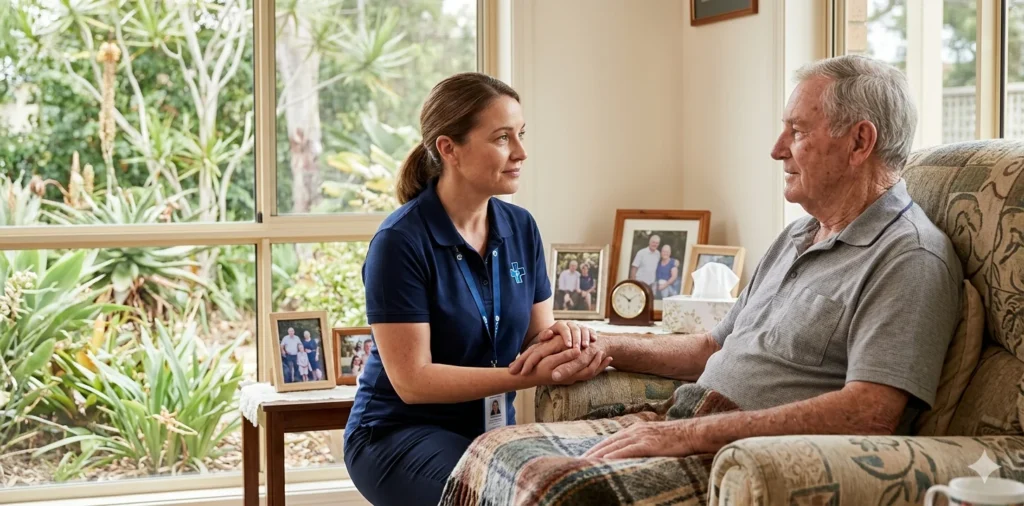
Table of Contents
What Is Palliative Care?
Palliative care is specialised care that focuses on improving quality of life for individuals living with serious, chronic, or life-limiting illnesses. Rather than aiming to cure illness, palliative care focuses on:
- Managing symptoms
- Reducing discomfort
- Supporting emotional wellbeing
- Providing practical assistance
- Enhancing quality of life
- Supporting family members
Palliative care can be provided alongside curative treatments or as the primary focus of care depending on an individual’s circumstances and goals. Conditions that may benefit from palliative care include:
- Cancer
- Advanced heart disease
- Chronic respiratory disease
- Neurological conditions
- Kidney disease
- Dementia
- Progressive illnesses
Every individual’s experience is different, which is why palliative care is highly personalised.
Understanding the Goals of Palliative Care
The primary goal of palliative care is to help individuals live as comfortably and meaningfully as possible. This includes addressing not only physical symptoms but also emotional, social, cultural, and spiritual needs.
Key goals include:
Maximising Comfort: Managing symptoms such as pain, nausea, fatigue, and breathlessness helps improve day-to-day comfort.
Supporting Independence:Even when illness progresses, maintaining personal choice and autonomy remains important.
Enhancing Quality of Life: Palliative care focuses on helping individuals continue engaging in activities and relationships that bring meaning and enjoyment.
Supporting Families: Family members often require emotional guidance, education, and practical support throughout the care journey.
Why Many Australians Choose Palliative Care at Home
For many individuals, home is where they feel safest and most comfortable. Home contains familiar surroundings, treasured memories, family connections, and established routines that contribute significantly to emotional wellbeing. Choosing palliative care at home allows individuals to:
- Remain in familiar surroundings
- Spend more time with loved ones
- Maintain personal routines
- Enjoy greater privacy
- Participate in care decisions
- Experience a sense of normality
Many families also appreciate the opportunity to be actively involved in care while creating meaningful moments together.
The Importance of Personalised Care
No two people experience illness in the same way. Personalised palliative care recognises that every individual has unique:
- Medical needs
- Preferences
- Values
- Cultural beliefs
- Family circumstances
- Care goals
A personalised care plan ensures support reflects what matters most to the individual. This person-centred approach promotes dignity and respect throughout the care journey.
Managing Physical Symptoms Effectively
One of the most important aspects of palliative care is symptom management. Serious illnesses may cause symptoms that affect comfort and quality of life. Common symptoms include:
- Pain
- Fatigue
- Breathlessness
- Nausea
- Appetite changes
- Sleep difficulties
- Anxiety
Healthcare professionals work closely with individuals and families to develop strategies that minimise discomfort. Effective symptom management often leads to improved wellbeing and greater participation in daily activities.
Pain Management in Palliative Care
Pain is one of the most common concerns for individuals receiving palliative care. Professional care teams focus on identifying, monitoring, and managing pain effectively. Pain management strategies may include:
- Medication management
- Physical support techniques
- Comfort measures
- Relaxation strategies
- Specialist healthcare consultation
The goal is always to maximise comfort while supporting quality of life. Every person’s experience of pain is unique, making personalised assessment essential.
Emotional and Psychological Support
Serious illness can create a wide range of emotional responses. Individuals may experience:
- Fear
- Anxiety
- Uncertainty
- Sadness
- Frustration
- Grief
Family members often experience similar emotions. Palliative care provides emotional support by:
- Encouraging open communication
- Providing reassurance
- Offering counselling referrals
- Supporting coping strategies
- Creating opportunities for meaningful conversations
Addressing emotional wellbeing is just as important as managing physical symptoms.
Supporting Families Through Difficult Times
Palliative care is often described as family-centred care because it recognises the significant impact illness has on loved ones. Family caregivers frequently provide:
- Daily assistance
- Emotional support
- Advocacy
- Practical care
While rewarding, caregiving can also be physically and emotionally demanding. Professional palliative care helps families by:
- Providing education
- Offering respite opportunities
- Coordinating services
- Sharing caregiving responsibilities
- Reducing stress
Families often report feeling more confident and supported when professional care is involved.
The Role of Home Care Professionals
Palliative care at home often involves a team of healthcare professionals working together. This may include:
- Nurses
- Personal care workers
- General practitioners
- Allied health professionals
- Palliative care specialists
Each team member contributes specialised knowledge and support to ensure comprehensive care. Home care professionals help monitor wellbeing, manage symptoms, provide personal care, and support families throughout the journey.
Preserving Dignity and Choice
Maintaining dignity is a cornerstone of palliative care. Individuals should continue to have a voice in decisions affecting their care, preferences, and daily routines. Respecting personal choices may involve:
- Care preferences
- Daily schedules
- Cultural practices
- Family involvement
- Treatment decisions
This approach helps individuals maintain a sense of control during a time when many aspects of life may feel uncertain.
Creating Meaningful Moments at Home
One of the most valuable aspects of home-based palliative care is the opportunity to create meaningful moments with family and friends. Remaining at home allows individuals to:
- Celebrate milestones
- Share family meals
- Spend time with grandchildren
- Enjoy favourite activities
- Reflect on cherished memories
These moments often become deeply important for both individuals and their loved ones.
The Benefits of Early Palliative Care
Many people mistakenly believe palliative care should only begin during the final days of life. In reality, early palliative care can provide significant benefits. Introducing support earlier may help:
- Improve symptom management
- Enhance quality of life
- Reduce stress
- Support decision-making
- Strengthen family wellbeing
Early support often leads to better overall experiences for individuals and families.
Looking Ahead: The Growing Role of Home-Based Palliative Care
Australia’s healthcare system increasingly recognises the value of providing compassionate care within the home environment. As awareness grows, more families are choosing home-based palliative care because it aligns with their goals for comfort, dignity, and personalised support. Future developments are expected to focus on:
- Improved access to services
- Greater family support
- Enhanced home healthcare programs
- Technology-assisted care
- Stronger integration between healthcare providers
These advancements will continue helping Australians receive high-quality care in the place they feel most comfortable.
Conclusion
Palliative care at home provides compassionate support that prioritises comfort, dignity, and quality of life. By addressing physical symptoms, emotional wellbeing, and family needs, home-based palliative care helps individuals live as fully and comfortably as possible while remaining in familiar surroundings. At Pearl Home Care, we understand the importance of personalised and compassionate support during life’s most challenging moments. Our dedicated team is committed to providing respectful palliative care at home that supports individuals and families with dignity, empathy, and professional expertise.
Frequently Asked Questions
What is palliative care at home?
Ans. Palliative care at home provides support for individuals living with serious illnesses while allowing them to remain in familiar surroundings.
Does palliative care mean end-of-life care?
Ans. Not necessarily. Palliative care can begin at any stage of a serious illness and may be provided alongside other treatments.
What services are included in home palliative care?
Ans. Services may include symptom management, personal care, nursing support, emotional support, and family assistance.
Can palliative care help manage pain?
Ans. Yes. Pain management is a key component of palliative care and focuses on maximising comfort.
How does palliative care support families?
Ans. Families receive education, emotional support, respite opportunities, and practical guidance throughout the care journey.
Who provides palliative care at home?
Ans. A team may include nurses, personal care workers, doctors, allied health professionals, and palliative care specialists.
Is palliative care personalised?
Ans. Yes. Care plans are tailored to each individual’s medical needs, preferences, and goals.
Why do many people choose home-based palliative care?
Ans. Many individuals prefer the comfort, familiarity, privacy, and family connection that home provides.
When should palliative care begin?
Ans. Palliative care can begin at any stage of a serious illness when symptom management and quality of life support are needed.
How does palliative care improve quality of life?
Ans. By managing symptoms, providing emotional support, preserving dignity, and supporting families, palliative care helps individuals live more comfortably and meaningfully.