
Introduction
For many older Australians, home is more than just a place to live—it represents independence, cherished memories, and a sense of belonging. As people age, however, everyday tasks can become more challenging, and simple hazards around the home may increase the risk of injury.
Falls remain one of the leading causes of hospital admissions among older Australians, but many accidents can be prevented with a few practical changes. A well-planned Home Care Safety Checklist helps families identify potential risks before they become serious problems.
This guide covers ten essential areas every family should review to create a safer home environment and support independent living.
A Home Care Safety Checklist helps families identify potential risks before they become serious, making it easier for older Australians to live safely and independently.
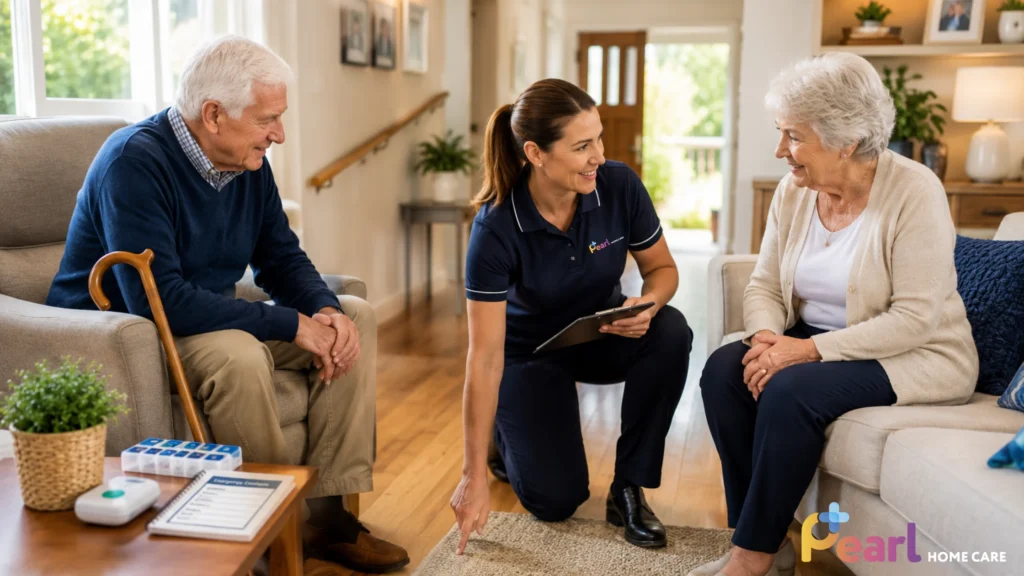
Table of Contents
1. Reduce Fall Hazards
Falls are one of the biggest risks for seniors living alone.
Following a Home Care Safety Checklist regularly can significantly reduce the risk of falls and injuries around the home.
Walk through every room and check for:
- Loose rugs
- Electrical cords across walkways
- Slippery floors
- Uneven surfaces
- Cluttered pathways
Installing non-slip mats and securing loose flooring can significantly reduce the chance of falls.
2. Improve Lighting Throughout the Home
Poor lighting increases the likelihood of trips and falls.
Ensure that:
- Hallways are well lit.
- Staircases have bright lighting.
- Bedrooms include bedside lamps.
- Motion-sensor lights are installed outside.
- Night lights are used in bathrooms.
Good visibility improves confidence and safety.
3. Make the Bathroom Safer
Bathrooms are common locations for accidents.
Your Home Care Safety Checklist should include:
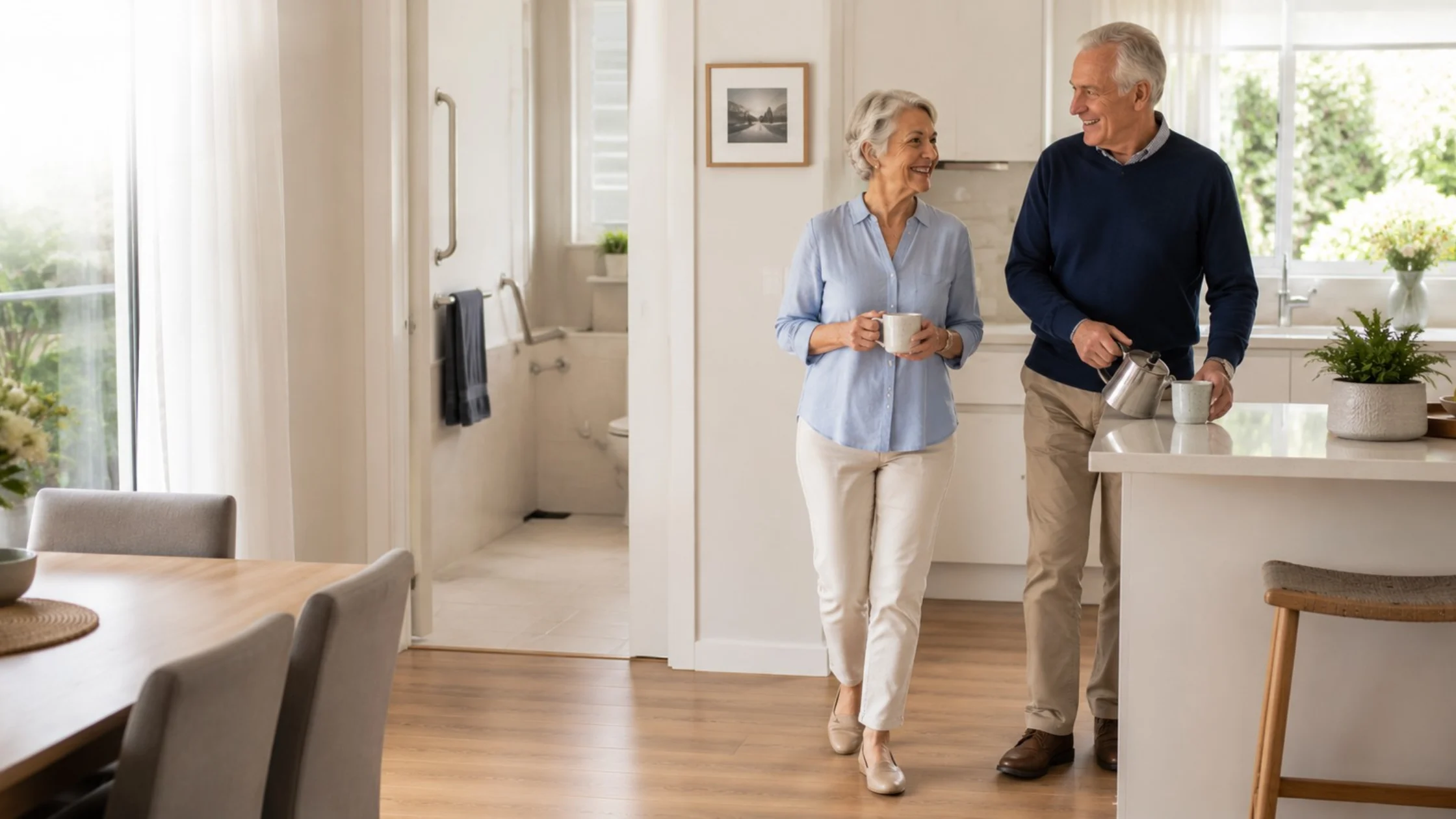
- Grab rails near the toilet.
- Grab rails inside the shower.
- Non-slip shower mats.
- Shower chairs if required.
- Handheld shower heads.
Small modifications can greatly improve independence.
Updating your Home Care Safety Checklist every few months ensures the bathroom remains safe as mobility needs change.
4. Review Medication Safety
Managing multiple medications can become confusing.
Check that:
- Medicines are clearly labelled.
- Expired medications are removed.
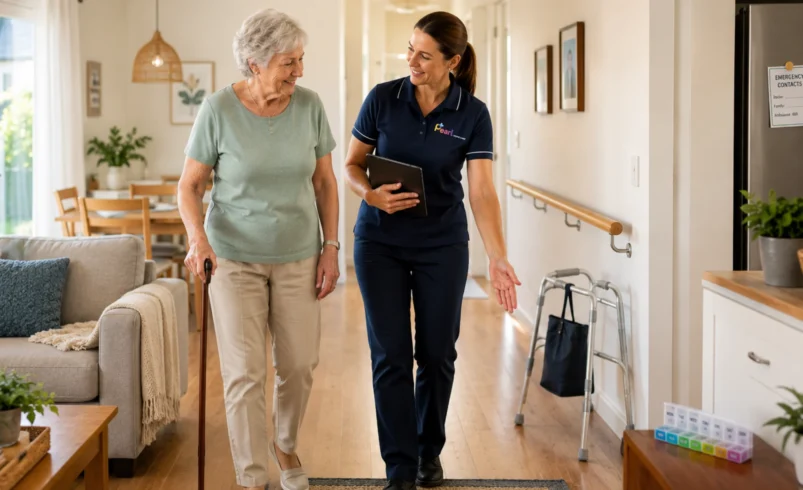
- Pill organisers are used.
- Medication reminders are set.
- Emergency contact numbers are available.
Professional home care providers can also assist with medication reminders.
5. Ensure Easy Access Around the Home
Furniture should support safe movement rather than create obstacles.
Review:
- Walking space between furniture.
- Height of chairs.
- Accessibility of frequently used items.
- Stability of tables.
- Entry and exit points.
Mobility aids should fit comfortably throughout the home.
6. Prepare for Emergencies
Every senior should have an emergency plan.
Include:
- Emergency contact list.
- Medical information.
- Personal alarm system.
- Spare house key for trusted family.
- Easy access to a telephone.
Preparation provides reassurance for both seniors and families.
7. Check Kitchen Safety
The kitchen can become hazardous if appliances or storage areas are difficult to use.
Review:
- Stove safety.
- Appliance condition.
- Frequently used items stored at waist height.
- Smoke detectors.
- Fire blanket availability.
Simple changes help prevent accidents.
8. Encourage Daily Physical Activity
Maintaining strength and balance reduces fall risk.
Activities may include:
- Walking.
- Gentle stretching.
- Balance exercises.
- Chair yoga.
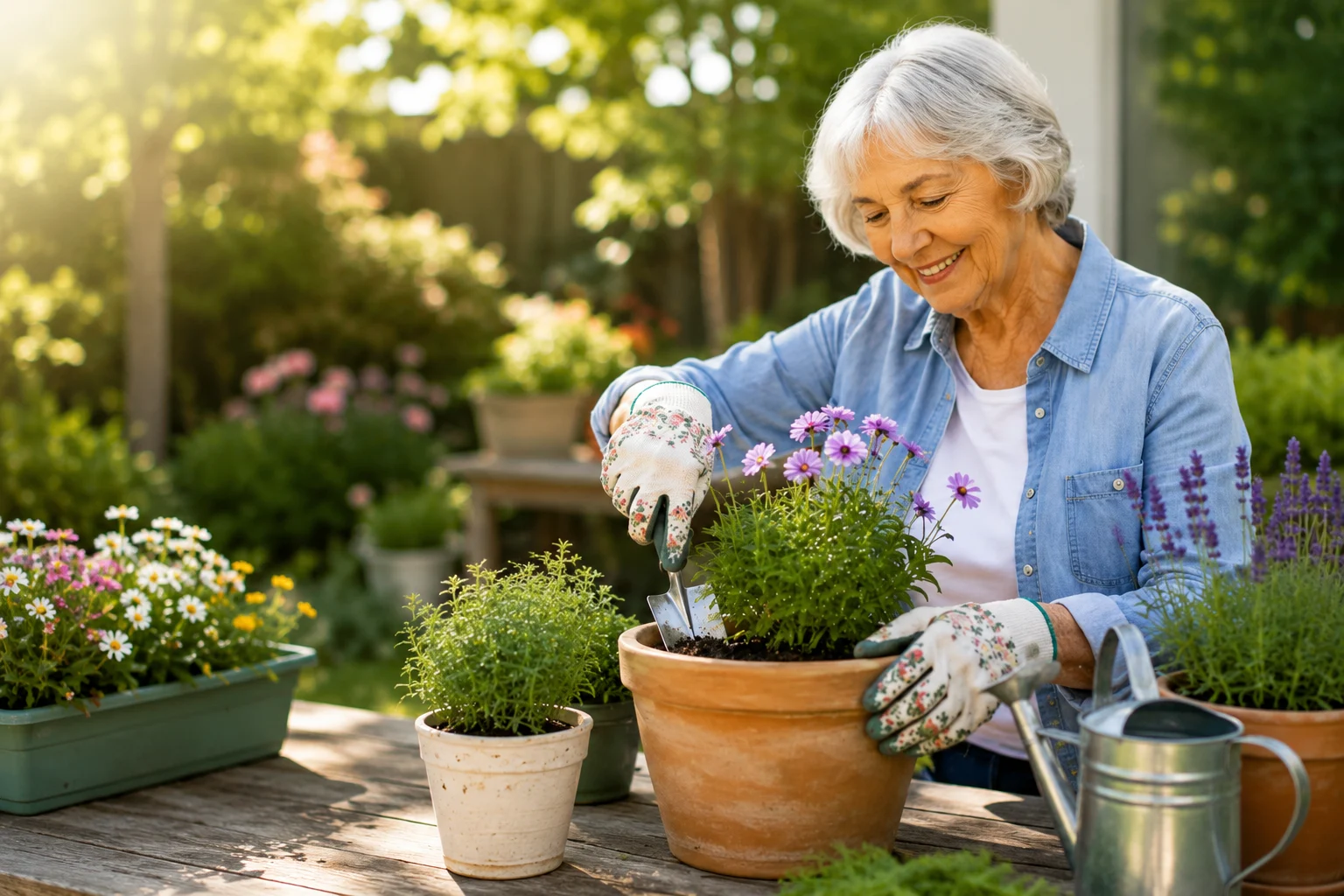
- Light gardening.
Regular movement supports healthy ageing.
9. Stay Connected Socially
Isolation can affect both physical and mental wellbeing.
Encourage:
- Family visits.
- Community activities.
- Social groups.
- Phone calls.
- Video chats.
Companionship is an important part of staying healthy at home.
10. Know When Professional Home Care Can Help
Sometimes additional support becomes necessary.
Professional carers can assist with:
- Personal care.
- Meal preparation.
- Domestic assistance.
- Medication reminders.
- Transport.
- Social support.
- Nursing care.
Early assistance often helps seniors remain safely at home for longer.
Signs It’s Time to Review Your Home Care Safety Checklist
Consider arranging professional support if you notice:
- Frequent falls.
- Missed medications.
- Weight loss.
- Difficulty cleaning.
- Memory changes.
- Reduced mobility.
- Increased loneliness.
- Family caregiver stress.
Recognising these signs early can prevent more serious issues.
How Pearl Home Care Supports Safe Independent Living
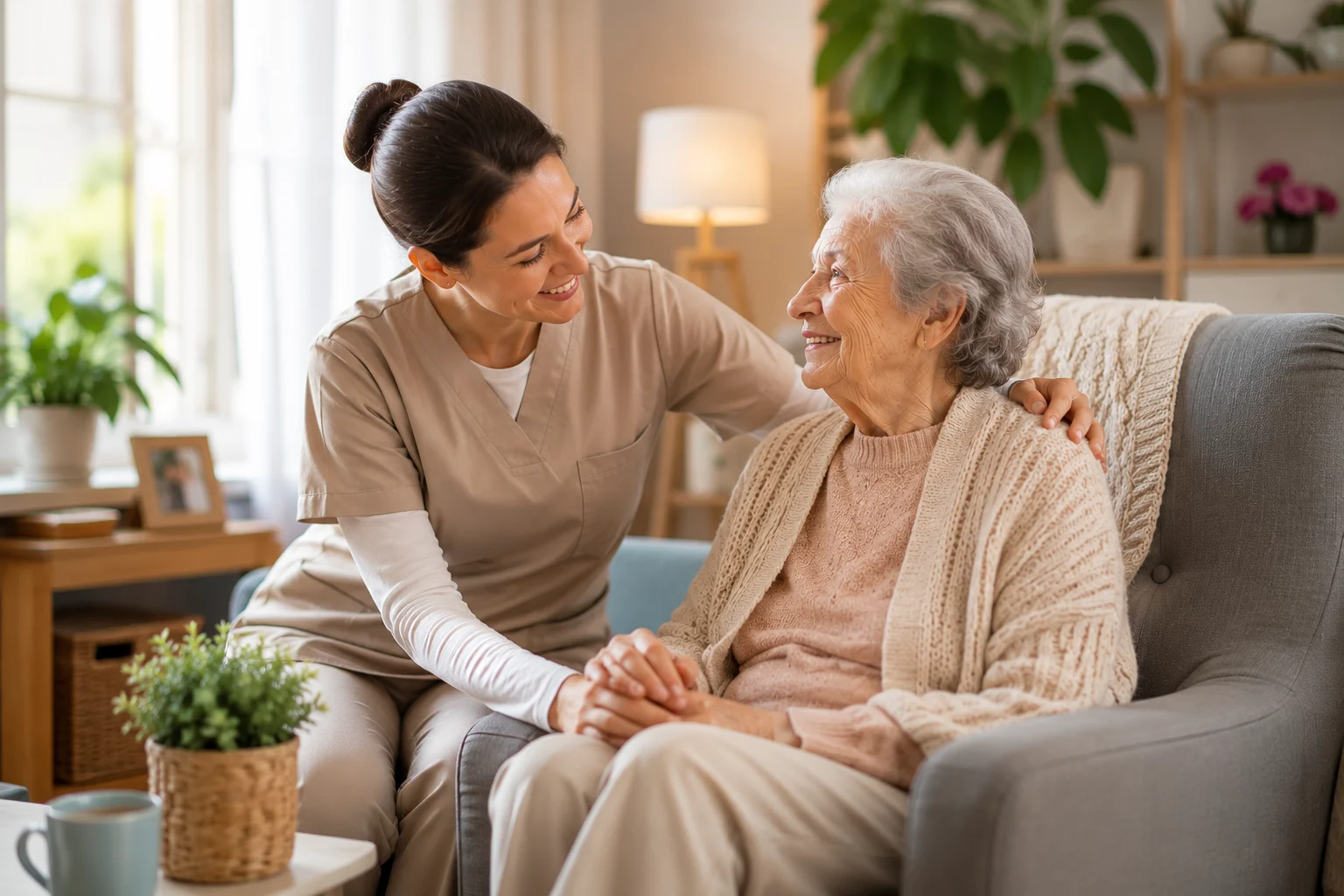
At Pearl Home Care, we believe every older Australian deserves to feel safe, respected, and supported in their own home.
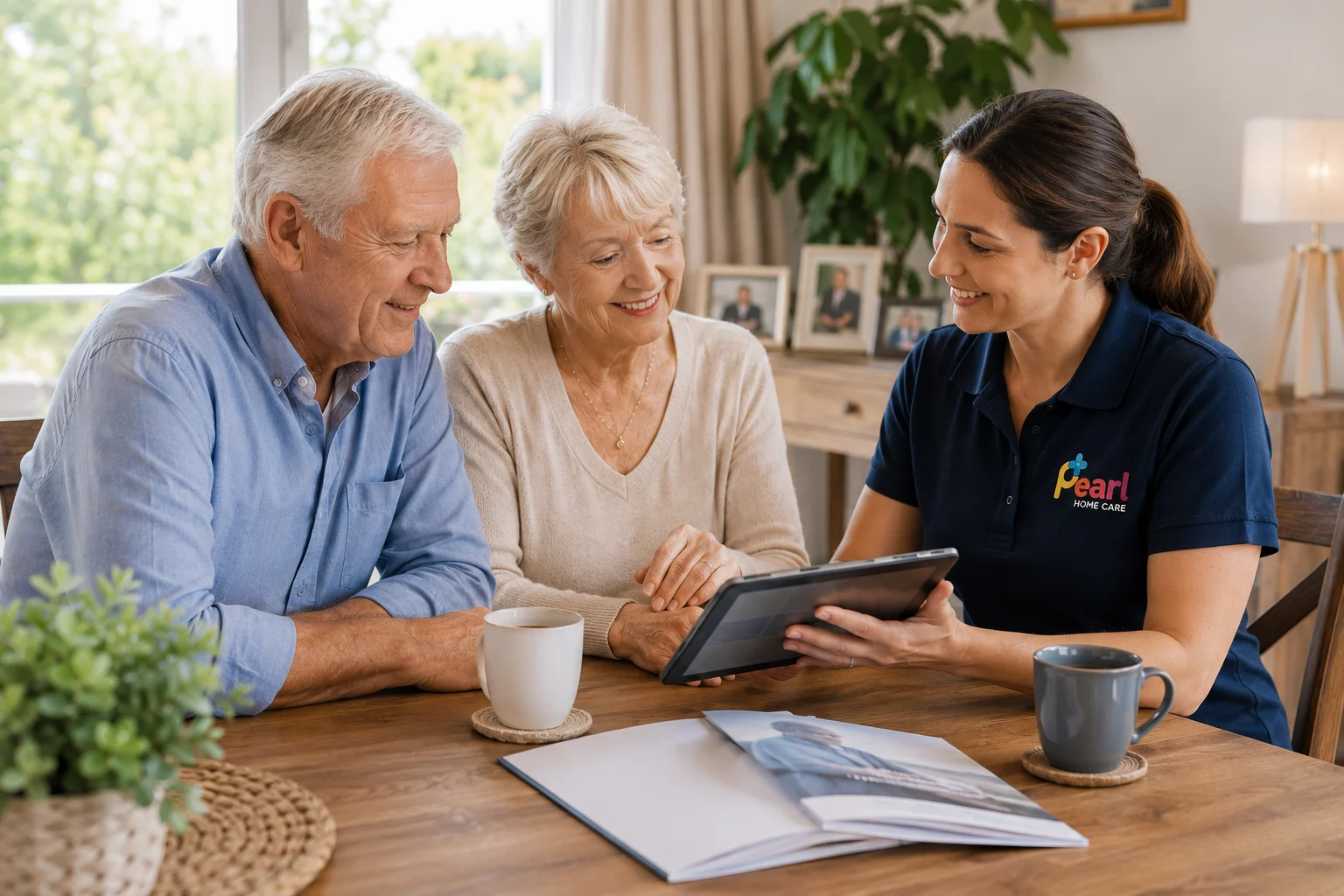
Our experienced care team works closely with clients and families to identify potential risks, recommend practical safety improvements, and provide personalised services that promote independence.
Whether you need occasional assistance or ongoing daily support, we create flexible care plans tailored to your individual needs.
Is Your Home Safe for Independent Living?
A professional home care assessment can help identify safety risks and provide practical recommendations to keep you or your loved one living confidently at home.
👉 Book Your FREE Home Care Consultation with Pearl Home Care Today
A well-maintained Home Care Safety Checklist gives families peace of mind and helps seniors remain confident while living independently.
Conclusion
Creating a safer home doesn’t always require major renovations. Small improvements, regular safety checks, and timely professional support can significantly reduce risks while helping seniors maintain their independence.
By following this Home Care Safety Checklist, families can take proactive steps to prevent accidents, improve confidence, and create a comfortable environment where older Australians can continue enjoying life at home.
When additional support is needed, partnering with a trusted provider like Pearl Home Care ensures compassionate, personalised care that adapts as needs change.
By reviewing your Home Care Safety Checklist regularly and making small improvements, you can create a safer home that supports independence, wellbeing, and quality of life.
Frequently Asked Questions
1. What is a Home Care Safety Checklist?
Ans. A Home Care Safety Checklist helps identify hazards around the home and provides practical steps to improve safety for older adults living independently.
2. Why is home safety important for seniors?
Ans. A safe home reduces the risk of falls, injuries, medication errors, and other preventable accidents while supporting independent living.
3. How often should I review home safety?
Ans. It’s recommended to review your home’s safety every six to twelve months or whenever health or mobility changes occur.
4. Can home care providers help improve home safety?
Ans. Yes. Professional home care providers can assess potential risks, recommend safety improvements, and provide support with daily activities.
5. When should I consider professional home care?
Ans. If daily tasks become difficult, falls become more frequent, or family caregivers need additional support, it may be time to explore home care services.