
Introduction
Growing older doesn’t mean giving up the things you enjoy. In fact, staying connected to hobbies and everyday routines can make life more enjoyable and meaningful as we age.
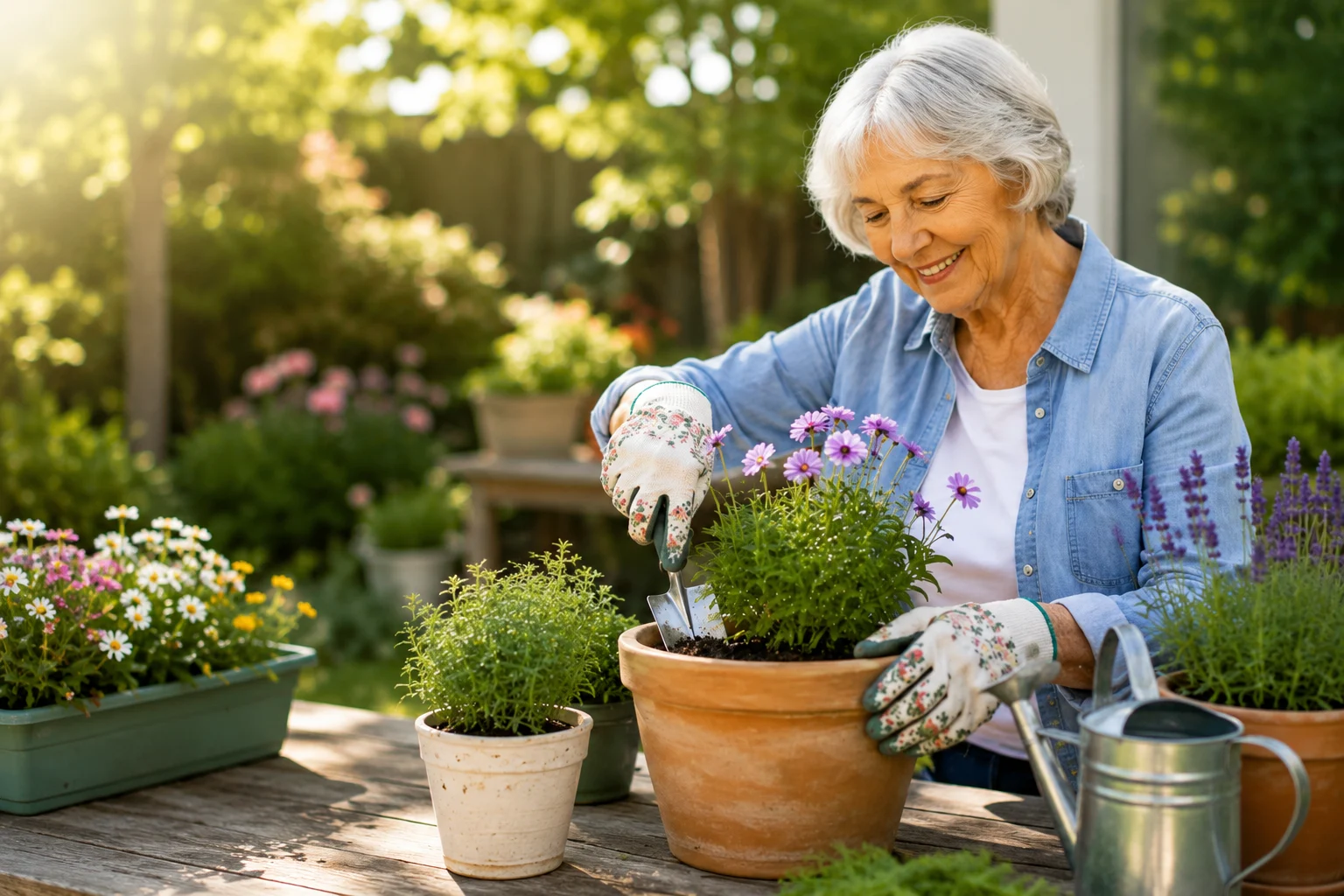
For many older Australians, gardening is a simple way to stay active, spend time outdoors and enjoy a closer connection with nature. And you don’t need a large backyard to enjoy it. A few pots on a balcony, a small courtyard garden or even an indoor herb garden can be enough to get started.
Beyond growing flowers, herbs or vegetables, gardening for seniors can offer gentle physical activity, mental stimulation, creativity and opportunities to connect with family, friends and the wider community.
For older people who enjoy being outdoors, gardening can become a rewarding part of their everyday routine.
At Pearl Home Care, we believe healthy ageing is about more than receiving care. It’s also about helping older people continue doing the things they love, whether that’s gardening, cooking, spending time with family or simply enjoying their daily routines, gardening activities for elderly.
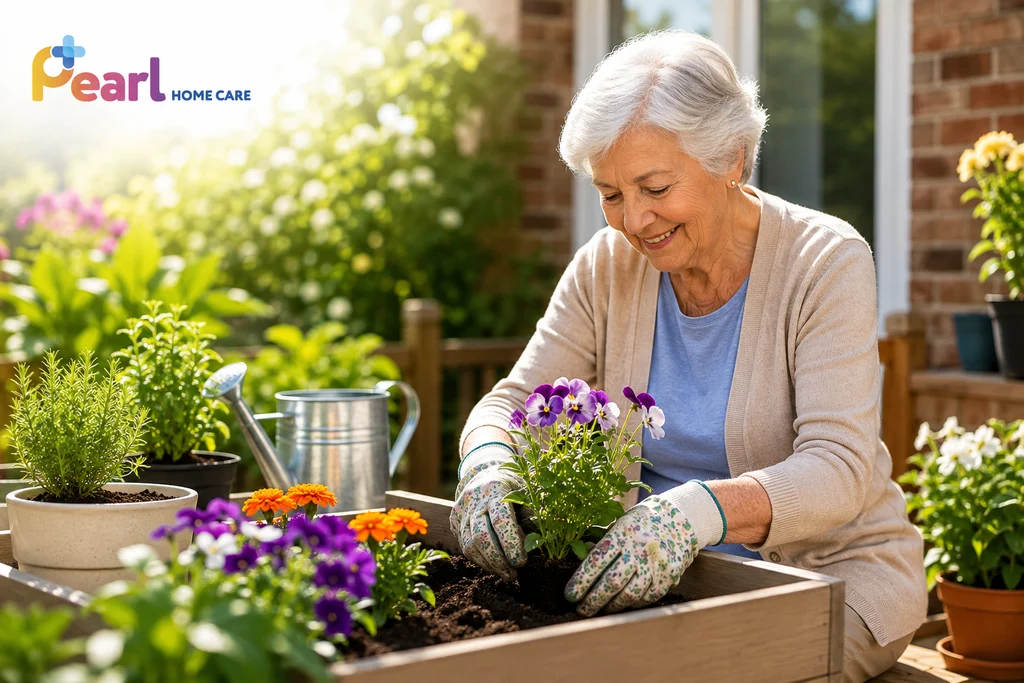
Table of Contents
Why Is Gardening Beneficial for Older Adults?
Gardening brings together a number of simple activities that can support overall wellbeing. Depending on a person’s abilities, gardening might involve walking around the garden, watering plants, planting seeds, pruning flowers, harvesting vegetables or simply sitting outside and enjoying, gardening for seniors the surroundings.
There’s also something satisfying about watching a plant grow. Starting with a small seed and eventually seeing it become a flower, herb or vegetable can create a genuine sense of achievement.
For older Australians, these small achievements can add enjoyment, routine and purpose to everyday life.
1. Gardening Provides Gentle Physical Activity
One of the most noticeable benefits of gardening for seniors is that it encourages movement without necessarily feeling like exercise.
Everyday gardening activities can include:
- Walking around the garden
- Watering plants
- Planting seeds
- Digging small areas
- Pruning flowers and plants
- Carrying lightweight gardening tools
- Stretching and reaching
- Harvesting herbs and vegetables
- outdoor activities for seniors
These movements can help older adults stay active as part of their normal routine.
Of course, gardening should always be suited to the individual’s physical abilities. Someone who finds bending or standing difficult might prefer raised garden beds, container gardening or seated activities. Lightweight tools can also make gardening more comfortable.
If an older person has specific mobility or health concerns, it’s a good idea to speak with an appropriate healthcare professional before taking on new physical activities, outdoor activities for seniors.
2. It Encourages Time Outdoors
A garden can provide a simple reason to step outside each day.
Spending time outdoors allows older adults to enjoy fresh air, observe seasonal changes and take a break from indoor routines. Even sitting outside while watering a few plants or checking on flowers can make the day feel a little different.
For someone who spends most of their time indoors, these small outdoor moments can be a valuable part of an active and engaging lifestyle.
Australian weather does mean that some extra care is needed, particularly during the warmer months. Older adults should stay hydrated, wear suitable clothing, use sun protection and avoid gardening during periods of extreme heat, outdoor activities for seniors.
3. Gardening Can Support Mental Wellbeing
The connection between gardening and mental health is another reason this hobby can be valuable for older adults.
Gardening gives people something simple to focus on. Watering plants, removing weeds, planting seeds or checking on new growth can encourage a person to slow down and concentrate on the task in front of them.
For some people, being surrounded by greenery and nature can also create a peaceful environment.
Gardening isn’t a replacement for professional mental health care, particularly when someone is experiencing significant emotional difficulties. However, enjoyable activities such as gardening can be a positive part of a balanced lifestyle and may contribute to a person’s overall sense of wellbeing.
4. It Can Create a Sense of Purpose
Having something to look after can bring structure to the day.
Plants need regular care. They need water, sunlight and attention, which can turn simple gardening tasks into meaningful routines.
For an older adult who has recently retired or experienced changes to their usual lifestyle, these routines can be especially valuable.
It could be as simple as checking the vegetable garden in the morning, watering potted plants in the afternoon or watching for new flowers to appear.
These small responsibilities can give the day a sense of purpose without making gardening feel like a chore.
5. Gardening Can Encourage Healthy Eating
Growing your own herbs, vegetables or fruit can also make healthy eating more enjoyable.
An older adult, gardening for seniorswho grows tomatoes, lettuce, herbs or other vegetables may feel more interested in using fresh produce when preparing meals. There’s something particularly rewarding about adding ingredients to a meal that you’ve grown yourself.
Gardening can also be a great way to learn about seasonal produce and different types of plants.
For seniors who enjoy cooking, growing herbs such as basil, mint, parsley and rosemary can be an easy place to start. Even a few small pots near the kitchen can provide fresh ingredients for everyday meals.
Of course, nutritional needs vary from person to person. Older adults with specific dietary requirements should follow advice from their doctor or a qualified health professional.
6. Gardening Can Encourage Social Connection
Gardening doesn’t have to be something you do alone.
It can also create opportunities for social connection for seniors, whether that’s spending time with family, chatting with neighbours or getting involved with a local community garden.
Older adults might enjoy gardening with:
- Family members
- Friends
- Neighbours
- Community groups
- Carers
- Grandchildren
- gardening for older adults
Gardening with younger family members can be particularly special. A grandparent might show a grandchild how to plant herbs, water flowers or pick vegetables when they’re ready, gardening for older adults.
These simple activities can create shared experiences and give different generations a chance to spend meaningful time together.
Community gardens can offer another way to meet people who share similar interests and enjoy being outdoors.
7. Gardening Provides Mental Stimulation
There’s more thinking involved in gardening than you might expect, gardening for seniors.
Gardeners regularly make decisions about what to plant, where plants should go and how they should be cared for.
For example, an older adult may need to consider:
- Which plants are suitable for the season
- Where each plant will receive enough sunlight
- How often plants need watering
- When vegetables are ready to harvest
- How different plants should be cared for
- gardening for older adults
These everyday decisions provide opportunities for planning, observation and problem-solving.
Trying a new plant, learning about seasonal gardening or experimenting with a different growing technique can also encourage curiosity and lifelong learning.
Gardening Ideas for Seniors With Limited Mobility
One of the great things about gardening is that it can be adapted to suit different abilities, gardening for seniors.
If bending, kneeling or standing for long periods is uncomfortable, there are plenty of ways to make gardening easier and more accessible.
Raised Garden Beds
Raised garden beds can bring plants to a more comfortable height, reducing the need to bend down. They can also make plants easier to reach and care for, gardening for older adults.
Container Gardening
Pots and containers can be placed at a convenient height and positioned in an area that’s easy to access.
Small pots are particularly useful for herbs, flowers and vegetables.
Seated Gardening
A sturdy, stable chair can allow someone to care for smaller plants while sitting down. This can be a good option for people who find standing for long periods difficult, gardening for older adults.
Lightweight Tools
Heavy gardening equipment can be tiring to handle. Lightweight tools may make everyday gardening tasks easier and more comfortable.
Indoor Herb Gardens
You don’t necessarily need an outdoor garden at all. A few herbs near a kitchen window can provide an enjoyable gardening experience while keeping everything within easy reach.
The aim isn’t to complete difficult gardening jobs. It’s to make gardening enjoyable, safe and appropriate for the individual’s abilities.
Gardening Safety Tips for Older Adults
Safety should always come first when enjoying outdoor activities.
A few simple precautions can make gardening more comfortable and reduce unnecessary risks:
- Wear supportive and comfortable footwear.
- Keep garden paths clear and free from obstacles.
- Avoid gardening during extreme heat.
- Drink plenty of water.
- Use appropriate sun protection.
- Choose lightweight tools where possible.
- Avoid lifting heavy bags, pots or equipment.
- Take regular breaks.
- gardening for seniors
- Use stable seating when gardening.
- Store gardening equipment safely when it’s not being used.
If balance or mobility is a concern, consider adapting the garden rather than giving up gardening altogether.
A family member, friend or care professional may also be able to help with tasks that are physically demanding or difficult to complete safely.
How Home Care Can Support Gardening Activities
For some older adults, gardening is more than just a hobby. It can be an important part of their identity, routine and independence.
However, physical limitations can sometimes make certain gardening tasks difficult.
This is where personalised home care for seniors can complement an individual’s lifestyle.
Depending gardening for seniors on the person’s care plan and services, a support worker may be able to assist with everyday tasks that allow the person to continue enjoying hobbies that are important to them.
For example, an older adult might still enjoy planting seeds, watering plants or caring for a few pots while receiving assistance with heavier or more physically demanding tasks.
The goal should always be supporting independence rather than taking over.
At Pearl Home Care, we understand that every person has different interests, routines and goals. Supporting wellbeing means recognising those individual preferences and helping older people remain involved in the activities that give their lives meaning.
Making Gardening Part of a Healthy Ageing Routine
Gardening doesn’t have to become a big project, gardening for seniors.
Sometimes, the simplest activities are the most enjoyable.
An older adult might:
- Water a few plants each morning
- Grow herbs in small pots
- Spend a few minutes pruning flowers
- Plant seasonal vegetables
- Sit outside and enjoy the garden
- Garden with family members
- Visit a local community garden
The important thing is to find a routine that feels enjoyable and manageable.
Healthy ageing isn’t about trying to do everything. It’s about finding activities that support movement, mental wellbeing, social connection and a sense of purpose.
Conclusion
Gardening can be much more than a relaxing hobby. For older Australians, it can provide opportunities to stay gently active, spend time outdoors, connect with other people, stimulate the mind and maintain a sense of purpose.
Whether it’s growing herbs on a balcony, caring for indoor plants or tending to a backyard vegetable garden, gardening for seniors can be adapted to suit different abilities, interests and living environments, gardening for seniors.
The key is to keep the activity safe, enjoyable and appropriate for the individual, gardening for seniors.
At Pearl Home Care, we believe older adults should be supported to continue doing the things they enjoy. Personalised care can help people maintain their routines, interests and independence while receiving assistance where they need it.
Because ageing well isn’t just about care — it’s about continuing to enjoy life.
Frequently Asked Questions
Is gardening good for seniors?
Ans. Yes. Gardening can provide gentle physical activity, mental stimulation, time outdoors, social interaction and a sense of purpose. The activities should always be adapted to suit the individual’s abilities and comfort level.
What are the main benefits of gardening for seniors?
Ans. Some potential benefits include more everyday movement, mental stimulation, social connection, time outdoors and the opportunity to maintain a meaningful daily routine.
Can seniors with limited mobility enjoy gardening?
Ans. Absolutely. Gardening can be adapted in many ways. Raised garden beds, containers, lightweight tools and seated gardening can make the activity easier for people with limited mobility.
What are some easy gardening activities for older adults?
Ans. Growing herbs in pots, watering plants, planting seeds, caring for indoor plants and harvesting vegetables can all be simple options. The right activity will depend on the person’s interests and abilities.
How can caregivers support seniors who enjoy gardening?
Ans. Caregivers can encourage participation, assist with physically demanding tasks and help older adults maintain their preferred gardening routines while respecting their independence. The focus should be on enabling the person to continue participating rather than taking over the activity.