

Introduction
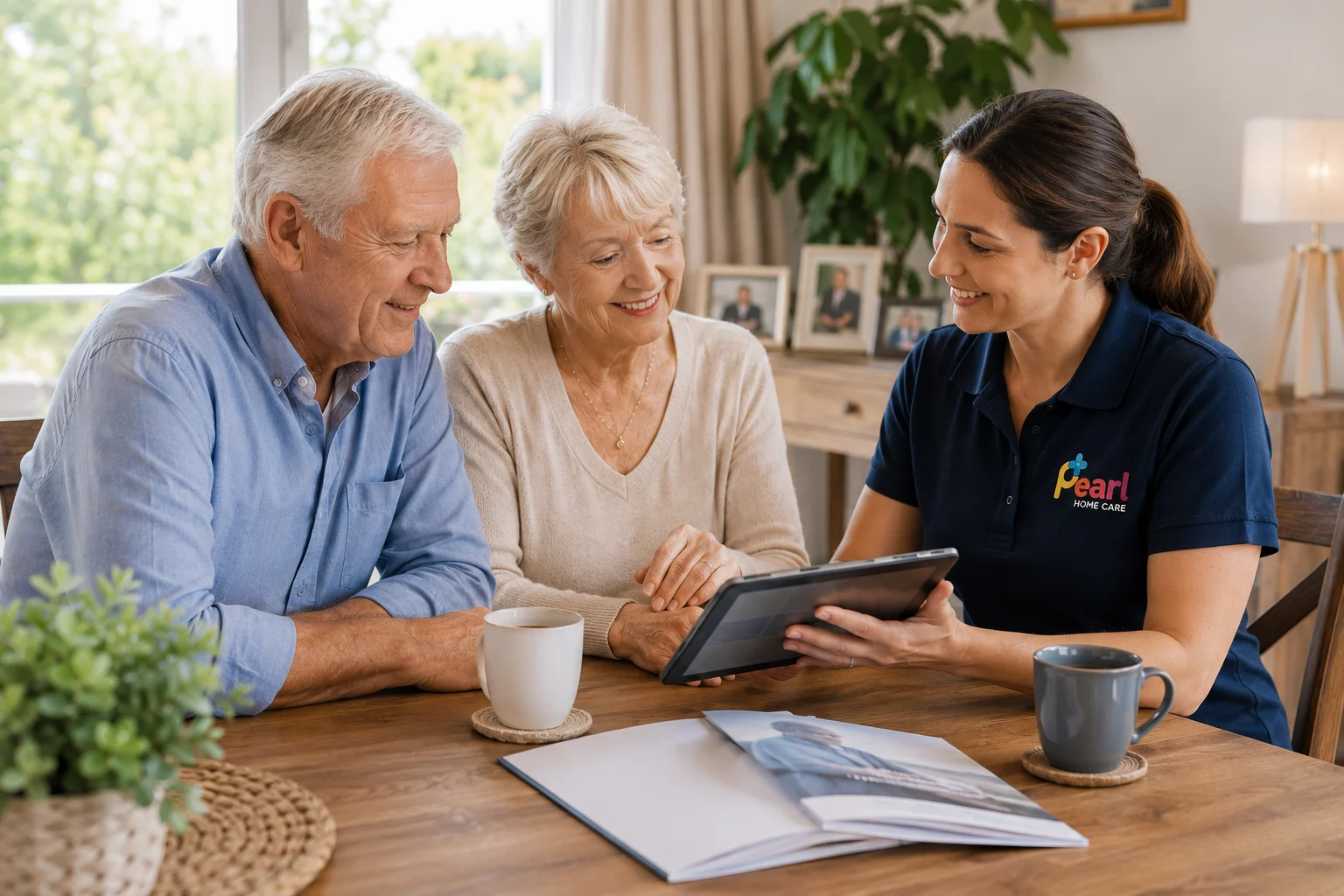
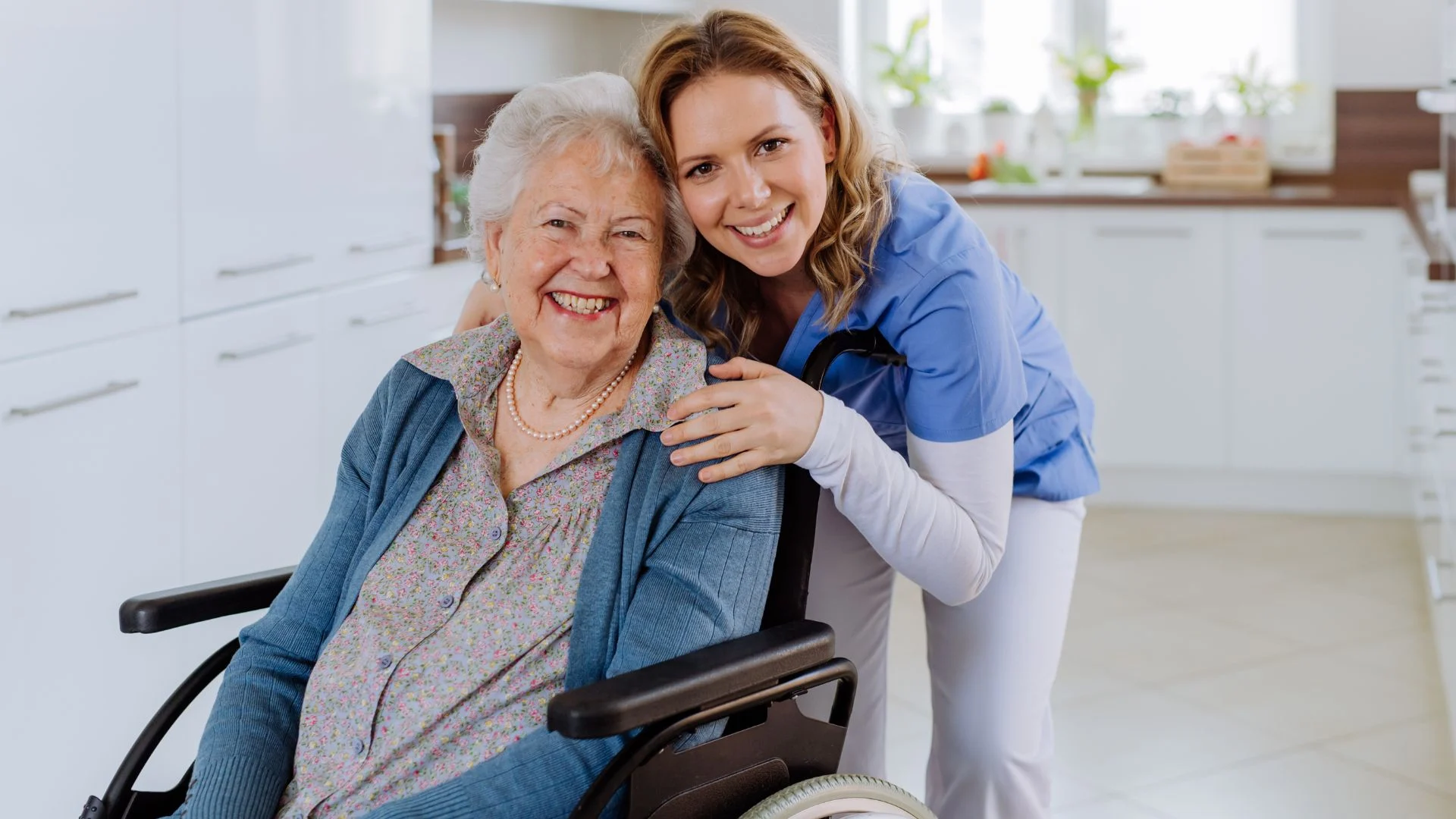
Caring for an ageing parent, partner, or family member can be one of the most rewarding experiences in life. However, as health needs become more complex, many families begin to wonder whether additional professional support may be necessary. It is not always easy to recognise when a loved one requires more than occasional assistance. Many older Australians value their independence and may be reluctant to ask for help, even when daily tasks become increasingly difficult. In-home nursing care provides professional healthcare support within the comfort of an individual’s home. It allows people to receive medical and clinical assistance while maintaining their independence, dignity, and familiar lifestyle. Recognising the signs early can make a significant difference in health outcomes, safety, and overall quality of life. By understanding when professional nursing support may be beneficial, families can make informed decisions that help their loved ones remain safe, comfortable, and well cared for.
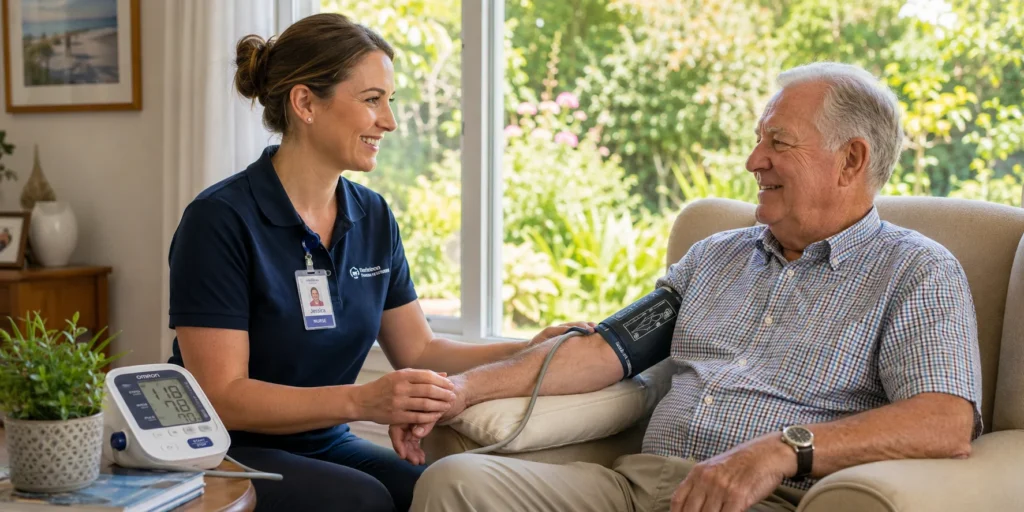
Table of Contents
Understanding In-Home Nursing Care
In-home nursing care involves healthcare services delivered by qualified nurses in a person’s home. Unlike general home care services, nursing care includes clinical support such as:
- Medication management
- Wound care
- Chronic disease management
- Health monitoring
- Post-surgical care
- Catheter care
- Diabetes support
- Palliative nursing care
- Clinical assessments
These services are tailored to each individual’s healthcare needs and may be provided temporarily or on an ongoing basis.
Sign 1: Frequent Hospital Visits
One of the earliest indicators that professional nursing support may be needed is an increase in hospital admissions or emergency department visits. Repeated hospitalisations may suggest that a health condition is becoming more difficult to manage independently. Professional nurses can help by:
- Monitoring symptoms
- Identifying early warning signs
- Supporting treatment plans
- Coordinating with healthcare providers
Consistent healthcare oversight can often reduce the risk of complications that lead to hospital admissions.
Sign 2: Difficulty Managing Medications
Many older Australians take multiple medications every day. Managing prescriptions can become challenging when medications:
- Have different schedules
- Require dosage adjustments
- Cause side effects
- Need ongoing monitoring
Missed doses or incorrect administration can significantly affect health outcomes. In-home nurses help ensure medications are taken correctly while monitoring for any concerns that may require medical attention.
Sign 3: Chronic Health Conditions Require More Support
Conditions such as:
- Diabetes
- Heart disease
- COPD
- Parkinson’s disease
- Kidney disease
- Arthritis
often require ongoing management and monitoring. As these conditions progress, healthcare needs may become more complex. Professional nursing support provides regular assessments and guidance that help individuals manage their conditions more effectively.
Sign 4: Recovery After Surgery or Hospitalisation
Returning home after surgery can be both exciting and challenging. Many individuals require temporary support during recovery. Common needs include:
- Wound care
- Medication administration
- Mobility assistance
- Monitoring complications
- Rehabilitation support
Professional nursing care can promote safer recovery while reducing stress for both patients and families.
Sign 5: Wounds Are Slow to Heal
Wound management requires specialised knowledge and consistent monitoring. Pressure injuries, surgical wounds, diabetic ulcers, and skin tears can become serious if not treated properly. A qualified nurse can:
- Assess healing progress
- Change dressings
- Monitor for infection
- Provide wound care education
Early intervention often improves healing outcomes and prevents complications.
Sign 6: Increased Risk of Falls
Falls are one of the leading causes of injury among older Australians. If a loved one has experienced:
- Recent falls
- Balance issues
- Mobility difficulties
- Muscle weakness
professional support may be beneficial. Nurses can assess risks and collaborate with healthcare professionals to develop strategies that improve safety and mobility.
Sign 7: Family Caregivers Are Feeling Overwhelmed
Family caregivers often provide substantial support, but caregiving can become physically and emotionally demanding. Warning signs of caregiver strain may include:
- Fatigue
- Stress
- Anxiety
- Sleep disruption
- Burnout
Professional nursing services can reduce caregiving pressures while ensuring high-quality healthcare support. Seeking assistance is not a sign of failure—it is often the best way to ensure sustainable care.
Sign 8: Health Monitoring Is Becoming More Important
Some health conditions require regular monitoring of:
- Blood pressure
- Blood glucose
- Heart rate
- Oxygen levels
- Weight changes
Professional nurses provide ongoing assessments that help identify concerns before they become serious. This proactive approach often contributes to better health outcomes and improved quality of life.
Sign 9: Changes in Mobility and Independence
A decline in mobility can significantly affect daily life. Individuals may struggle with:
- Walking safely
- Getting in and out of bed
- Using stairs
- Bathing independently
In-home nursing care helps support independence while ensuring safety remains a priority. The goal is not to take over tasks but to assist individuals in maintaining their abilities wherever possible.
Sign 10: A Desire to Age in Place
Many Australians wish to remain in their own homes as they grow older. Ageing in place offers:
- Familiar surroundings
- Greater comfort
- Community connections
- Personal independence
Professional nursing care makes this goal more achievable by providing healthcare support that adapts to changing needs.
Benefits of Early Intervention
Many families wait until a crisis occurs before seeking professional support. However, introducing nursing care early often provides significant advantages. Benefits include:
- Improved health management
- Reduced hospital admissions
- Better recovery outcomes
- Increased safety
- Enhanced independence
- Greater family confidence
Early support allows healthcare needs to be addressed proactively rather than reactively.
Choosing the Right Nursing Care Provider: When selecting an in-home nursing provider, families should consider:
Qualifications: Ensure care is delivered by qualified healthcare professionals.
Experience: Look for providers experienced in supporting similar health conditions.
Personalised Care: Care plans should reflect individual goals, preferences, and healthcare needs.
Communication: Effective communication between families, nurses, and healthcare providers is essential.
Flexibility: Support should be adaptable as healthcare needs change over time.
Conclusion
Recognising when a loved one may benefit from professional nursing support is an important step toward protecting their health, independence, and quality of life. Whether the need arises from chronic illness, recovery after surgery, medication management, or increasing healthcare complexity, in-home nursing care provides personalised support within the comfort of home. At Pearl Home Care, our experienced nursing professionals work closely with individuals and families to deliver compassionate, high-quality care tailored to each person’s unique needs. We are committed to helping Australians remain safe, comfortable, and independent while receiving the healthcare support they deserve.
Frequently Asked Questions
What is in-home nursing care?
Ans. In-home nursing care provides professional clinical healthcare services delivered by qualified nurses in a person’s home.
When should I consider nursing care for an elderly parent?
Ans. You should consider nursing care if your parent has complex health needs, struggles with medication management, experiences frequent hospital visits, or requires clinical support at home.
Can in-home nursing care prevent hospital readmissions?
Ans. Professional nursing care can help identify health concerns early and support treatment plans, potentially reducing hospital readmissions.
Is nursing care only for seniors?
Ans. No. Individuals of various ages recovering from surgery, illness, injury, or managing chronic conditions may benefit from nursing care.
What services do home nurses provide?
Ans. Services may include medication management, wound care, chronic disease support, health assessments, and post-hospital recovery care.
Can nursing care be provided temporarily?
Ans. Yes. Some individuals require short-term nursing care during recovery, while others may need ongoing support.
How does nursing care support family caregivers?
Ans. Professional nurses provide clinical expertise and practical assistance, helping reduce caregiver stress and workload.
Can nursing care help people remain at home longer?
Ans. Yes. In-home nursing care supports ageing in place by providing healthcare services that help individuals remain safe and independent.
Is nursing care personalised?
Ans. Yes. Care plans are tailored to each person’s health conditions, goals, and preferences.
How do I arrange in-home nursing care?
Ans. A professional assessment can help determine care needs and develop an appropriate support plan tailored to the individual.