
Introduction
Growing older is one of life’s natural journeys, but ageing does not mean giving up independence, wellbeing, or the activities that bring joy and purpose. Across Australia, more seniors are embracing the concept of healthy ageing, focusing on maintaining physical health, mental wellbeing, social connections, and overall quality of life.
Today’s older Ageing in Australia are living longer than previous generations. While increased life expectancy is a positive achievement, it also highlights the importance of adopting habits and lifestyle choices that support health and independence throughout later life.
Healthy ageing is not about avoiding ageing altogether. Instead, it is about making choices that help individuals remain active, engaged, and confident as they grow older. Whether it’s staying physically active, maintaining strong social relationships, eating nutritious foods, or seeking professional support when needed, small actions can have a significant impact on long-term wellbeing.
For many Australians, healthy ageing means continuing to enjoy the lifestyle they have worked hard to build while remaining connected to family, friends, and their local community.
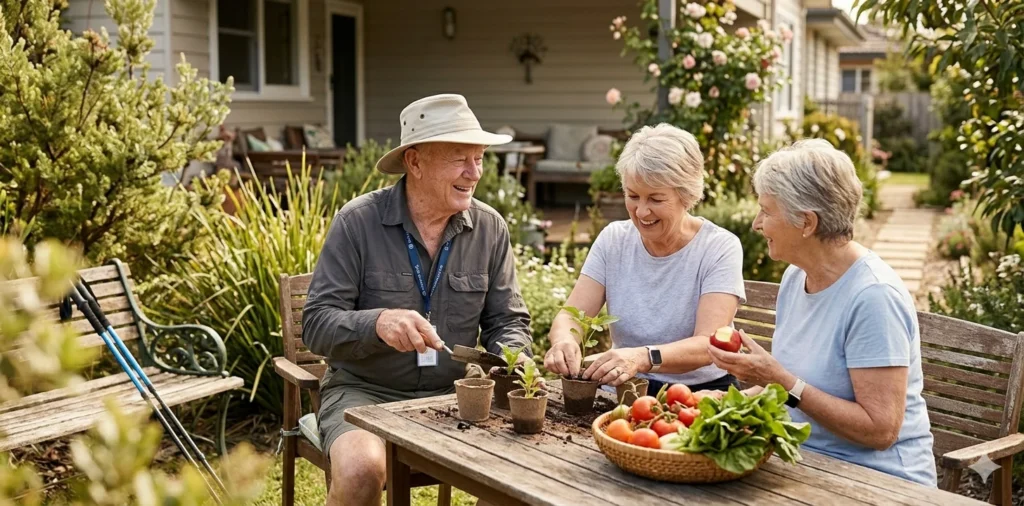
Table of Contents
What Does Healthy Ageing Mean?
Healthy ageing refers to the process of developing and maintaining the physical, mental, and social abilities that enable people to live fulfilling and independent lives as they age.
Contrary to common misconceptions, healthy ageing is not solely about physical health. It encompasses several important aspects of wellbeing, including:
- Physical fitness and mobility
- Mental and emotional health
- Social engagement
- Cognitive wellbeing
- Nutrition and lifestyle choices
- Independence and self-confidence
- Access to appropriate healthcare and support
Every person’s ageing journey is unique. Some individuals remain highly active well into their later years, while others may require additional support due to health conditions or mobility challenges.
The goal of healthy ageing is not perfection but maintaining the best possible quality of life regardless of age or circumstances.
Why Healthy Ageing Is Becoming More Important in Australia
Australia’s population is ageing rapidly.
As life expectancy increases, more Australians are seeking ways to remain healthy, independent, and socially connected throughout their retirement years.
Many older Australians today have different expectations compared to previous generations. They are often more active, more informed, and more focused on maintaining control over their lifestyles.
Most seniors want to:
- Remain in their own homes
- Stay physically active
- Continue social activities
- Maintain independence
- Manage chronic health conditions effectively
- Preserve their quality of life
Healthy ageing supports these goals by helping individuals remain capable and confident while reducing the impact of age-related challenges.
The Importance of Physical Activity
Physical activity is one of the most effective ways to support healthy ageing.
Regular movement helps maintain strength, flexibility, balance, and cardiovascular health while reducing the risk of many chronic conditions.
Benefits of staying active include:
- Improved mobility
- Stronger muscles and bones
- Better balance and coordination
- Reduced risk of falls
- Improved heart health
- Enhanced mental wellbeing
- Increased energy levels
Importantly, physical activity does not need to involve intense exercise.
Many seniors benefit from activities such as:
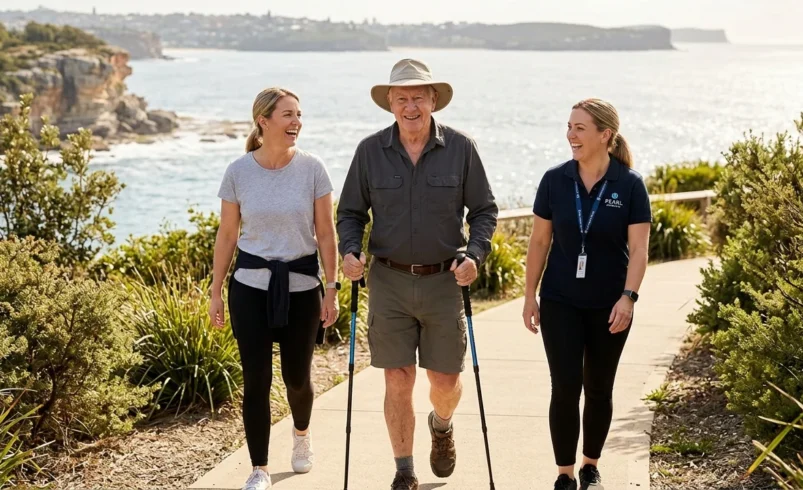
Walking: Walking is one of the simplest and most accessible forms of exercise. Regular walks can improve cardiovascular health, maintain mobility, and support mental wellbeing.
Swimming and Water Exercises: Water-based activities provide low-impact exercise that is gentle on joints while helping improve strength and flexibility.
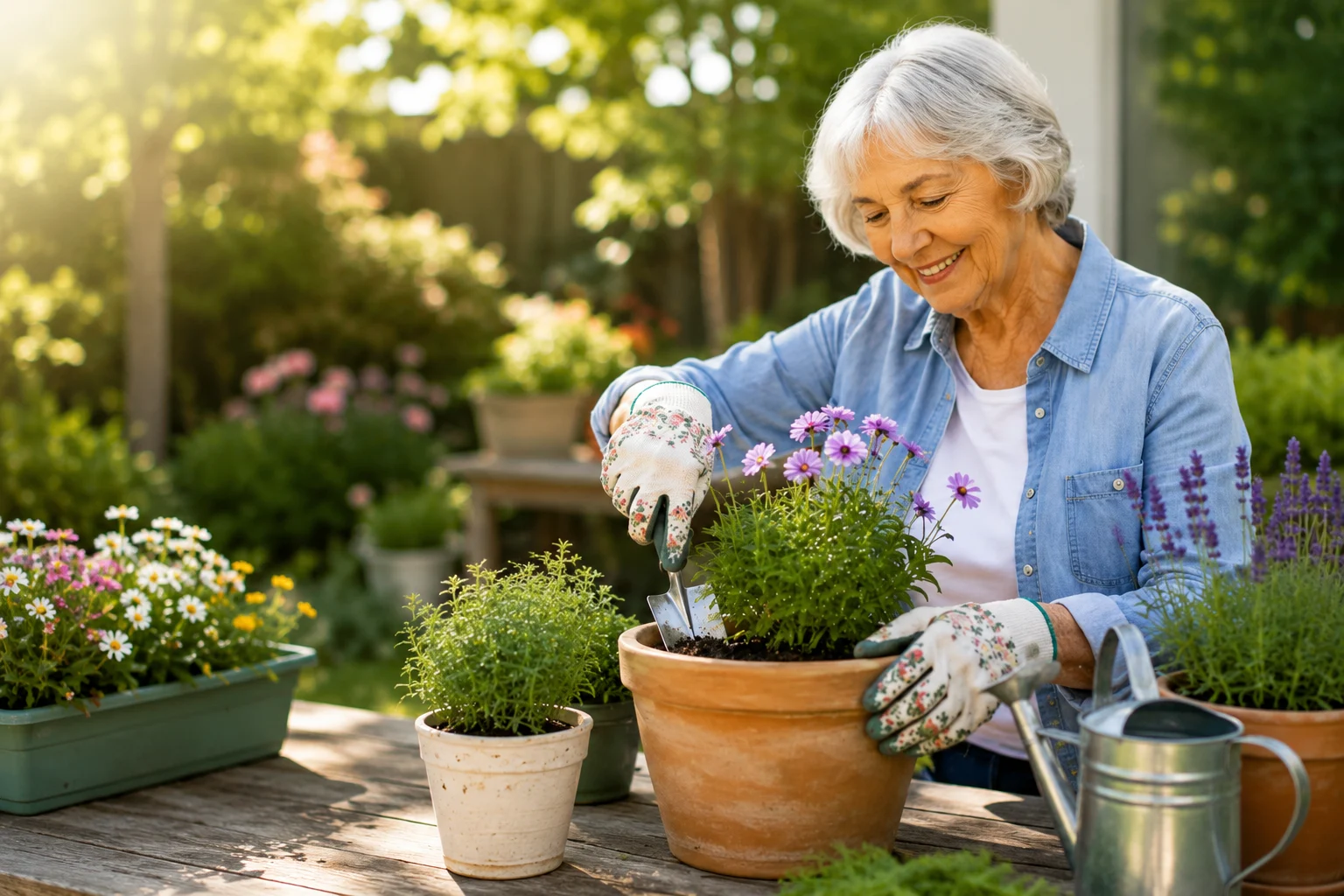
Gardening: Gardening combines physical movement with outdoor activity and can provide both physical and emotional benefits.
Stretching and Balance Exercises: Maintaining flexibility and balance becomes increasingly important with age and can help reduce the risk of falls. The key is finding enjoyable activities that can be maintained consistently over time.
Nutrition and Healthy Eating for Older Australians
Good nutrition plays a critical role in healthy ageing.
As people age, their nutritional needs may change, making it important to focus on foods that support overall health and wellbeing.
A balanced diet can help:
- Maintain healthy weight
- Support immune function
- Improve energy levels
- Promote heart health
- Strengthen bones and muscles
- Reduce the risk of chronic disease
Older Australians should aim to include:
Fruits and Vegetables: Rich in vitamins, minerals, and antioxidants, fruits and vegetables support overall health and disease prevention.
Lean Proteins: Protein helps maintain muscle mass and strength.
Sources may include:
- Fish
- Poultry
- Eggs
- Legumes
- Dairy products
Whole Grains: Whole grains provide sustained energy and support digestive health.
Healthy Fats: Healthy fats found in foods such as nuts, seeds, avocados, and fish contribute to heart and brain health.
Staying Hydrated: Dehydration can become more common with age. Regular fluid intake is important for maintaining energy, digestion, and overall wellbeing.
Mental Health and Emotional Wellbeing
Mental health is a vital component of healthy ageing. Life transitions such as retirement, health changes, or the loss of loved ones can sometimes affect emotional wellbeing. Maintaining good mental health involves actively supporting emotional resilience and psychological wellbeing.
Strategies that may help include:
- Staying socially connected
- Engaging in hobbies and interests
- Practising mindfulness
- Seeking support when needed
- Maintaining regular routines
Many seniors find purpose and enjoyment through volunteering, creative activities, lifelong learning, or spending time with family and friends.
Staying Socially Connected
Strong social connections contribute significantly to healthy ageing.
Research consistently shows that social engagement supports emotional wellbeing, cognitive health, and overall quality of life.
Benefits of social connection include:
- Reduced loneliness
- Improved mood
- Increased confidence
- Better mental health
- Stronger sense of purpose
Ways seniors can stay connected include:
- Community groups
- Social clubs
- Religious organisations
- Volunteer programs
- Family gatherings
- Recreational activities
Maintaining meaningful relationships can have a profound impact on both physical and emotional health.
Managing Chronic Health Conditions
Many older Australians live with one or more chronic health conditions. Common examples include:
- Diabetes
- Arthritis
- Heart disease
- Osteoporosis
- Respiratory conditions
While these conditions may require ongoing management, they do not necessarily prevent individuals from living active and fulfilling lives. Effective management often involves:
- Regular medical appointments
- Medication adherence
- Healthy lifestyle choices
- Physical activity
- Ongoing monitoring
Early intervention and proactive healthcare can help reduce complications and improve quality of life.
The Importance of Preventive Healthcare
Preventive healthcare plays an essential role in healthy ageing. Regular health assessments can help identify concerns before they become more serious. Important health checks may include:
Vision Assessments: Good vision supports safety, mobility, and independence.
Hearing Tests: Addressing hearing issues can improve communication and social engagement.
Blood Pressure Monitoring: Regular monitoring supports cardiovascular health.
Medication Reviews: Medication reviews help ensure treatments remain appropriate and effective.
Health Screenings: Routine screenings may assist with the early detection of various health conditions. Preventive healthcare helps older Australians maintain confidence and independence while supporting long-term wellbeing.
Ageing in Place and Maintaining Independence
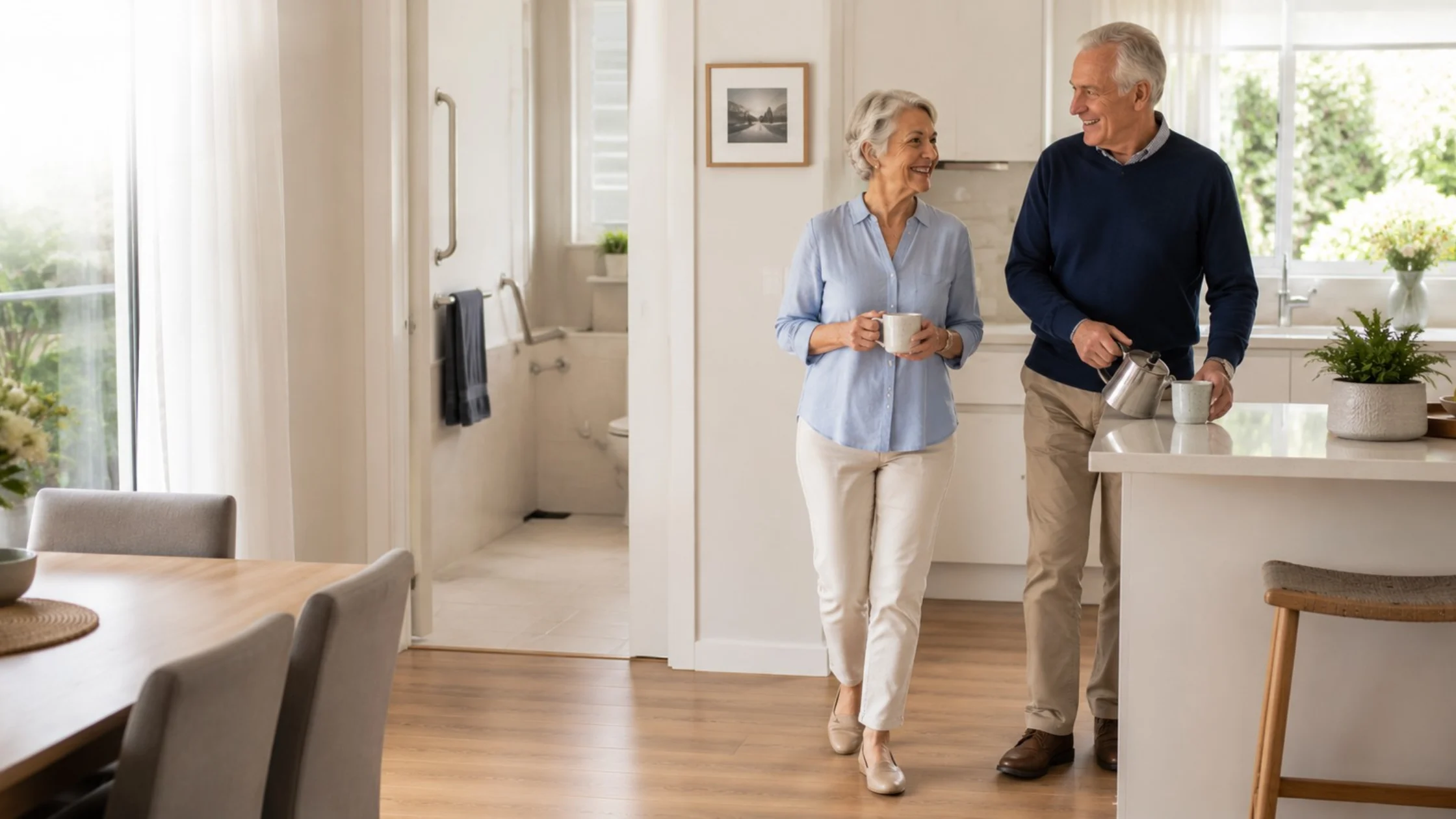
One of the most significant trends in Australian aged care is ageing in place. Ageing in place refers to remaining safely and comfortably in one’s own home while receiving any necessary support. Many seniors prefer this option because it allows them to remain:
- Independent
- Connected to their community
- Close to family and friends
- Surrounded by familiar environments
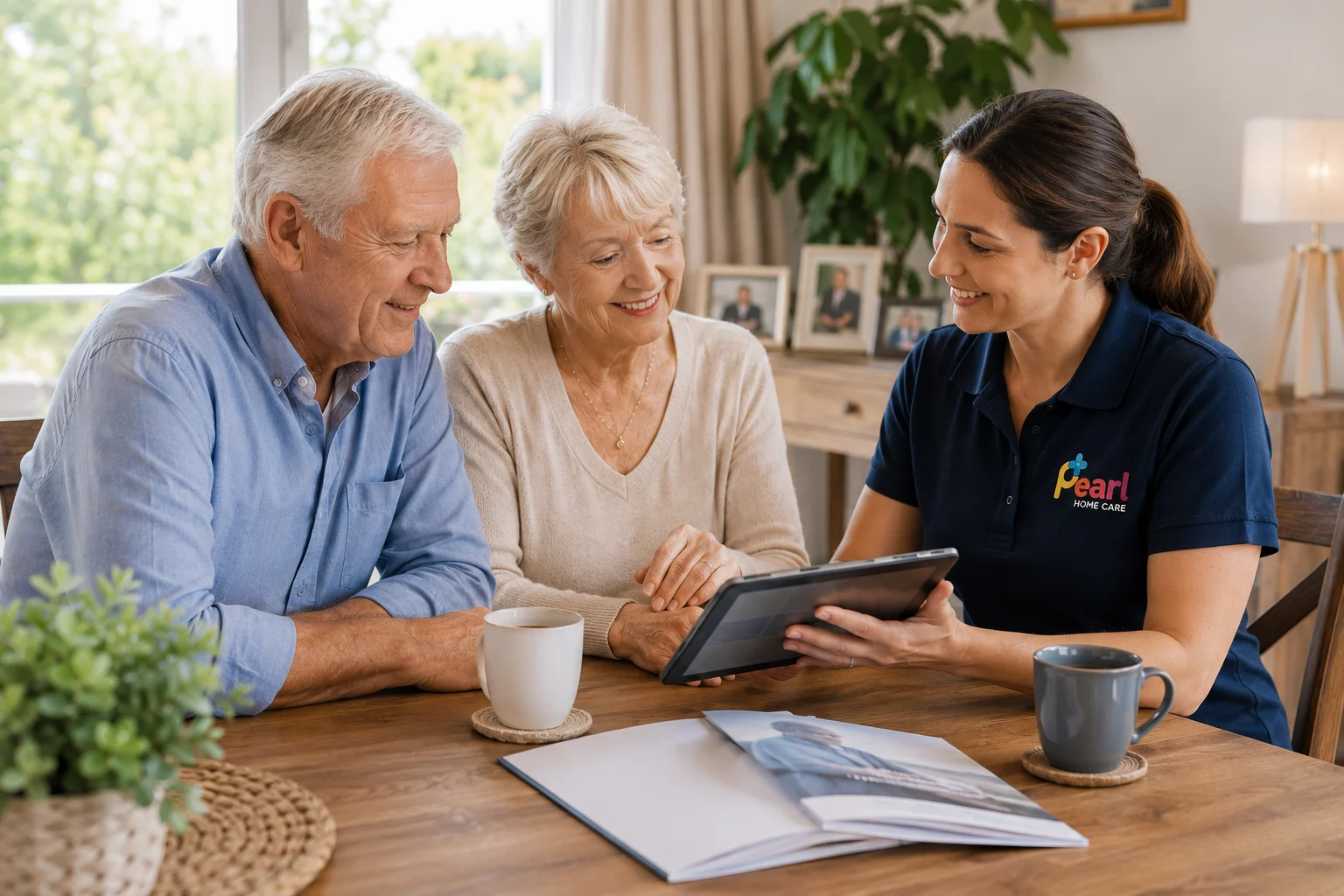
Professional home care services can support ageing in place by providing assistance with:
- Personal care
- Household tasks
- Meal preparation
- Transport
- Health monitoring
- Social support
This personalised assistance allows many seniors to continue living independently for longer.
Technology and Healthy Ageing
Technology is helping older Australians maintain independence and improve quality of life. Modern tools can support:
- Communication
- Healthcare access
- Safety
- Medication management
- Social engagement
Examples include:
- Telehealth appointments
- Medication reminder systems
- Personal emergency alarms
- Smart home technology
- Video communication platforms
Technology works best when combined with personalised support and professional care.
Building a Healthy Ageing Plan
Healthy ageing is most effective when approached proactively. A personal healthy ageing plan may include:
- Regular physical activity
- Balanced nutrition
- Preventive healthcare
- Social engagement
- Mental wellbeing strategies
- Appropriate support services
Small, consistent lifestyle choices often produce the greatest long-term benefits. The earlier individuals begin prioritising healthy ageing, the better positioned they are to maintain independence and wellbeing as they grow older.
Looking Ahead: The Future of Healthy Ageing
The future of healthy ageing in Australia is increasingly focused on supporting independence, choice, and quality of life. Healthcare providers, aged care services, community organisations, and families all play important roles in helping older Australians remain active and engaged. As awareness of healthy ageing continues to grow, more seniors are discovering that ageing can be a positive and rewarding stage of life when supported by healthy habits and the right care.
Conclusion
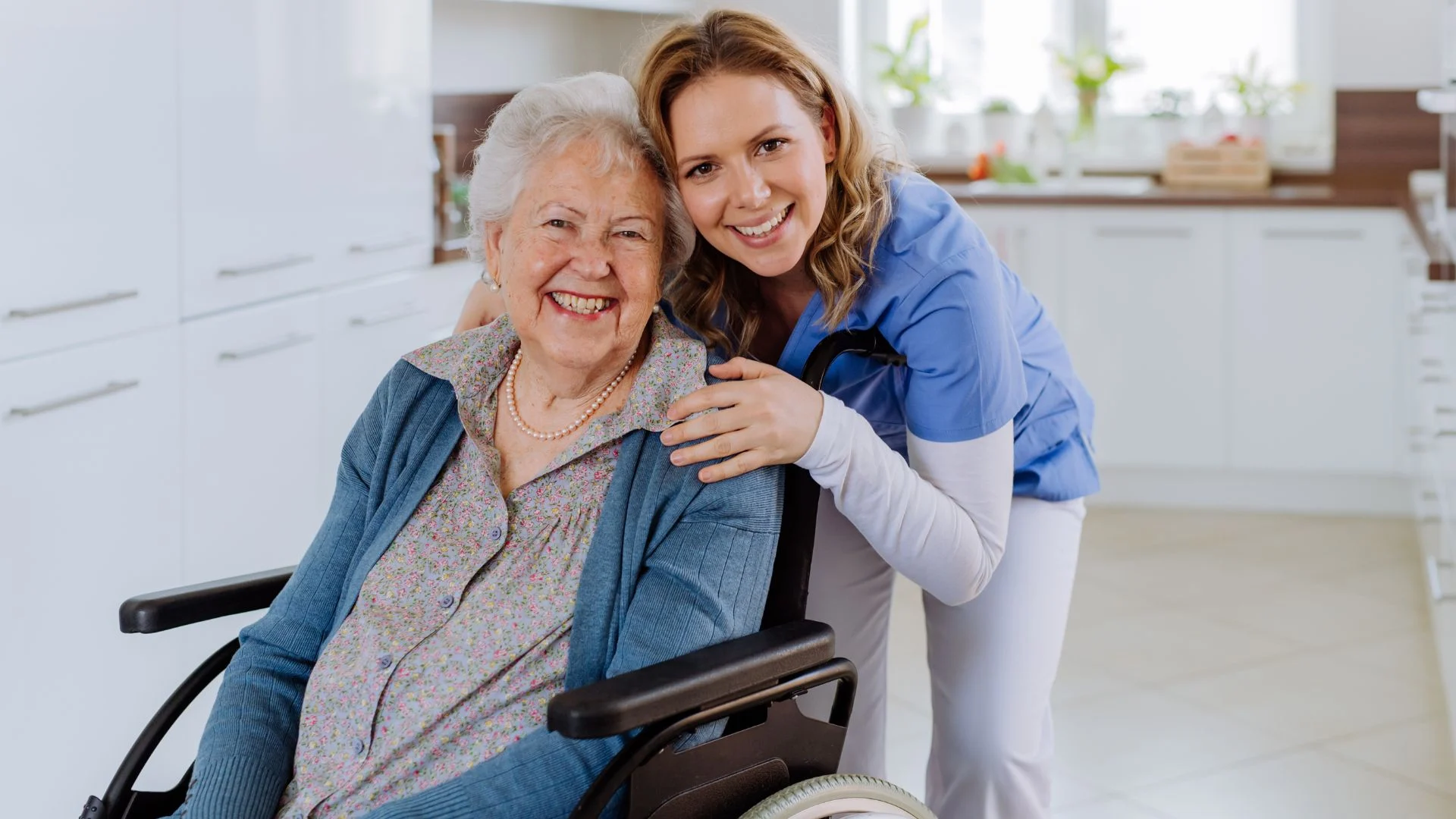
Healthy ageing is about much more than physical health. It involves maintaining independence, nurturing social connections, supporting emotional wellbeing, and making choices that contribute to a fulfilling lifestyle. By staying active, eating well, prioritising mental health, and accessing appropriate support when needed, older Australians can continue to enjoy meaningful and rewarding lives. At Pearl Home Care, we believe healthy ageing should be supported with compassion, dignity, and personalised care. Our dedicated team is committed to helping seniors maintain their wellbeing, independence, and quality of life while remaining comfortable in the place they call home.
Frequently Asked Questions
What is healthy ageing?
Ans. Healthy ageing refers to maintaining physical, mental, and social wellbeing while growing older, enabling individuals to live independently and enjoy a good quality of life.
Why is healthy ageing important?
Ans. Healthy ageing helps individuals maintain independence, reduce health risks, improve wellbeing, and continue participating in activities they enjoy.
How can seniors stay physically active?
Ans. Walking, swimming, gardening, stretching, and balance exercises are excellent ways for older adults to stay active.
What foods support healthy ageing?
Ans. A balanced diet including fruits, vegetables, lean proteins, whole grains, and healthy fats supports overall health and wellbeing.
How does social connection affect healthy ageing?
Ans. Strong social relationships help reduce loneliness, improve mental health, and contribute to a greater sense of purpose.