
Introduction
Technology is transforming the way older Australians live, making it easier than ever to remain safe, connected, and independent at home. From smart home devices and wearable health monitors to medication reminders and video calling, modern innovations are helping seniors enjoy a higher quality of life while giving families greater peace of mind.
For many people, Technology for Seniors is no longer a luxury—it’s becoming an essential part of healthy ageing. When combined with compassionate home care services, these tools can support everyday routines, improve safety, and encourage confidence without replacing the human connection that older adults value.
In this guide, we’ll explore seven practical ways technology is helping seniors live independently at home and how Pearl Home Care integrates technology with personalised care to support ageing in place.
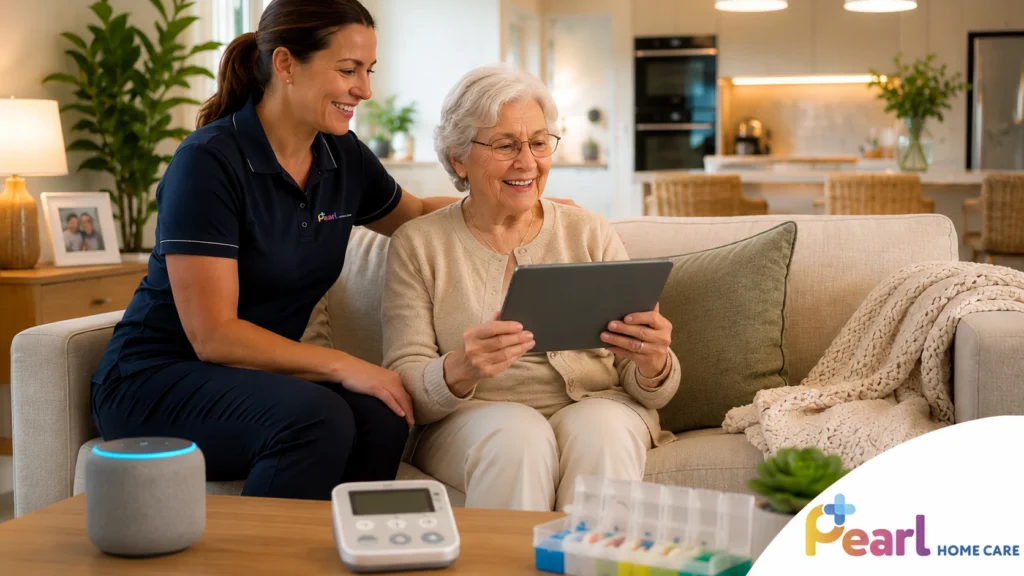
Table of Contents
Why Technology Matters for Older Australians
Australia’s ageing population is increasingly embracing digital solutions that help maintain independence. Whether it’s a voice-controlled assistant turning on the lights, a smartwatch monitoring heart rate, or a medication reminder ensuring prescriptions are taken on time, technology is making daily life simpler and safer.Investing in the right Technology for Seniors can improve everyday routines, support better health management, and create a safer home environment.
The right technology can:
- Improve home safety
- Support better health management
- Encourage social connection
- Reduce the risk of falls
- Provide reassurance for families
- Complement professional home care services
Rather than replacing caregivers, technology works alongside them to create a safer and more comfortable living environment.
1. Smart Medical Alert Systems Provide Peace of Mind
Medical alert systems are among the most valuable Senior Safety Devices available today. Many include wearable pendants or watches with emergency buttons that instantly connect users with emergency services or family members if assistance is needed.
Modern systems also feature automatic fall detection, GPS location tracking, and 24/7 monitoring, ensuring help is available even if the person cannot call for assistance themselves.
These devices allow seniors to continue living independently while giving families confidence that support is always within reach.
2. Smart Home Technology Makes Everyday Tasks Easier
One of the biggest advances in Smart Home for Seniors is voice-controlled technology.
Simple voice commands can help older adults:
- Turn lights on and off
- Adjust room temperature
- Lock doors
- Play music
- Set reminders
- Check weather forecasts
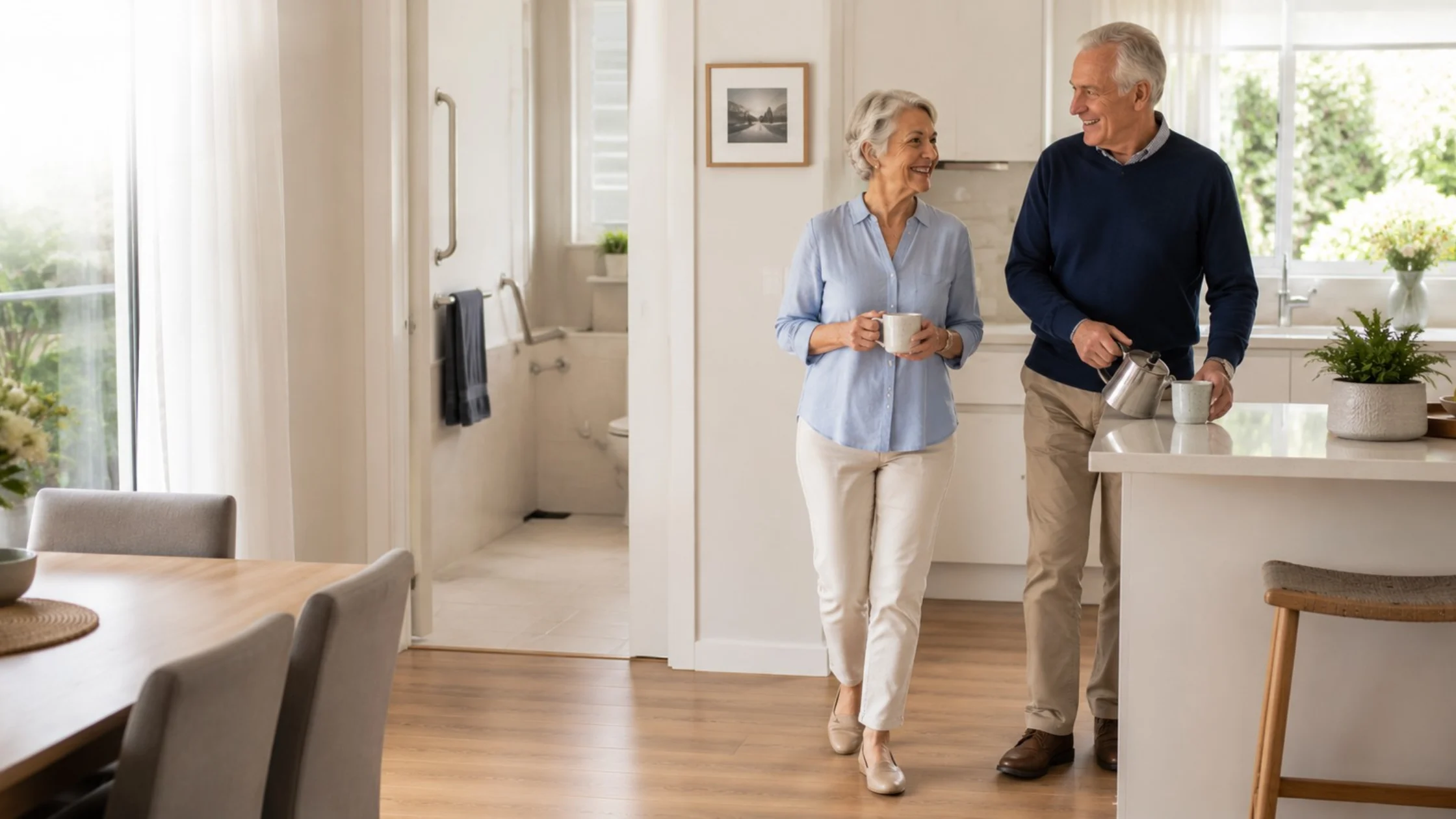
Smart lighting also reduces fall risks during the night by automatically illuminating hallways and bathrooms.
These everyday conveniences make independent living both safer and more enjoyable.
3. Medication Reminder Devices Improve Health Management
Missing medications or taking incorrect doses is a common concern for older adults.
Fortunately, Home Care Technology now includes:
- Smart pill dispensers
- Medication reminder apps
- Automated alarms
- Digital medication organisers
These solutions help seniors stay on schedule while reducing medication errors.
Combined with professional home care support, medication technology contributes to better health outcomes and increased independence.
4. Wearable Health Technology Supports Everyday Wellbeing
Wearable devices such as smartwatches and health trackers help seniors monitor important health information throughout the day.
Features often include:
- Heart rate monitoring
- Blood oxygen measurement
- Activity tracking
- Sleep monitoring
- Fall detection
- Emergency SOS alerts
These devices encourage seniors to remain active while allowing families and healthcare providers to identify potential health concerns early.
5. Video Calling Helps Seniors Stay Connected
Social isolation can significantly impact mental health, especially for seniors living alone.
Video calling platforms allow older Australians to:
- Speak with family regularly
- Join virtual social groups
- Attend telehealth appointments
- Participate in online community activities
Regular communication improves emotional wellbeing and helps reduce feelings of loneliness.
Technology keeps relationships strong, regardless of distance.
6. GPS Safety Devices Support Independent Living
GPS-enabled devices are particularly valuable for seniors who enjoy walking independently or those living with memory-related conditions.
These devices can:
- Share real-time locations with family
- Assist during emergencies
- Support outdoor independence
- Increase confidence when leaving home
GPS technology enables older Australians to remain active while providing additional reassurance for loved ones.
7. Technology and Home Care Work Best Together
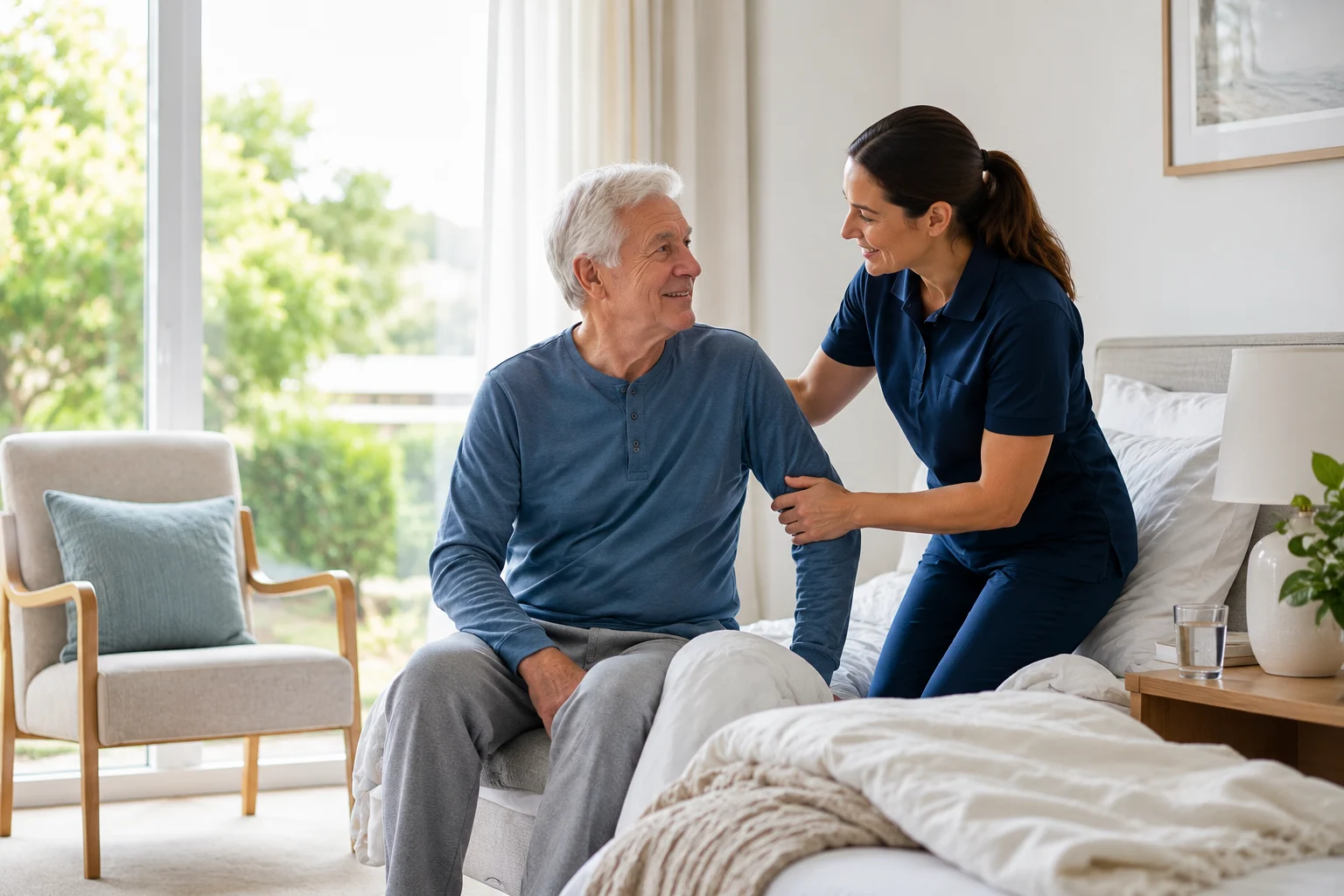
While technology provides valuable assistance, it cannot replace genuine human care.
Professional caregivers provide:
- Personal care
- Meal preparation
- Medication assistance
- Companionship
- Household support
- Emotional wellbeing
- Mobility assistance
Technology simply enhances these services by making care more personalised, efficient, and responsive.
At Pearl Home Care, we believe the best outcomes come from combining compassionate people with practical technology.
Can Technology Replace Human Care?
The short answer is no.
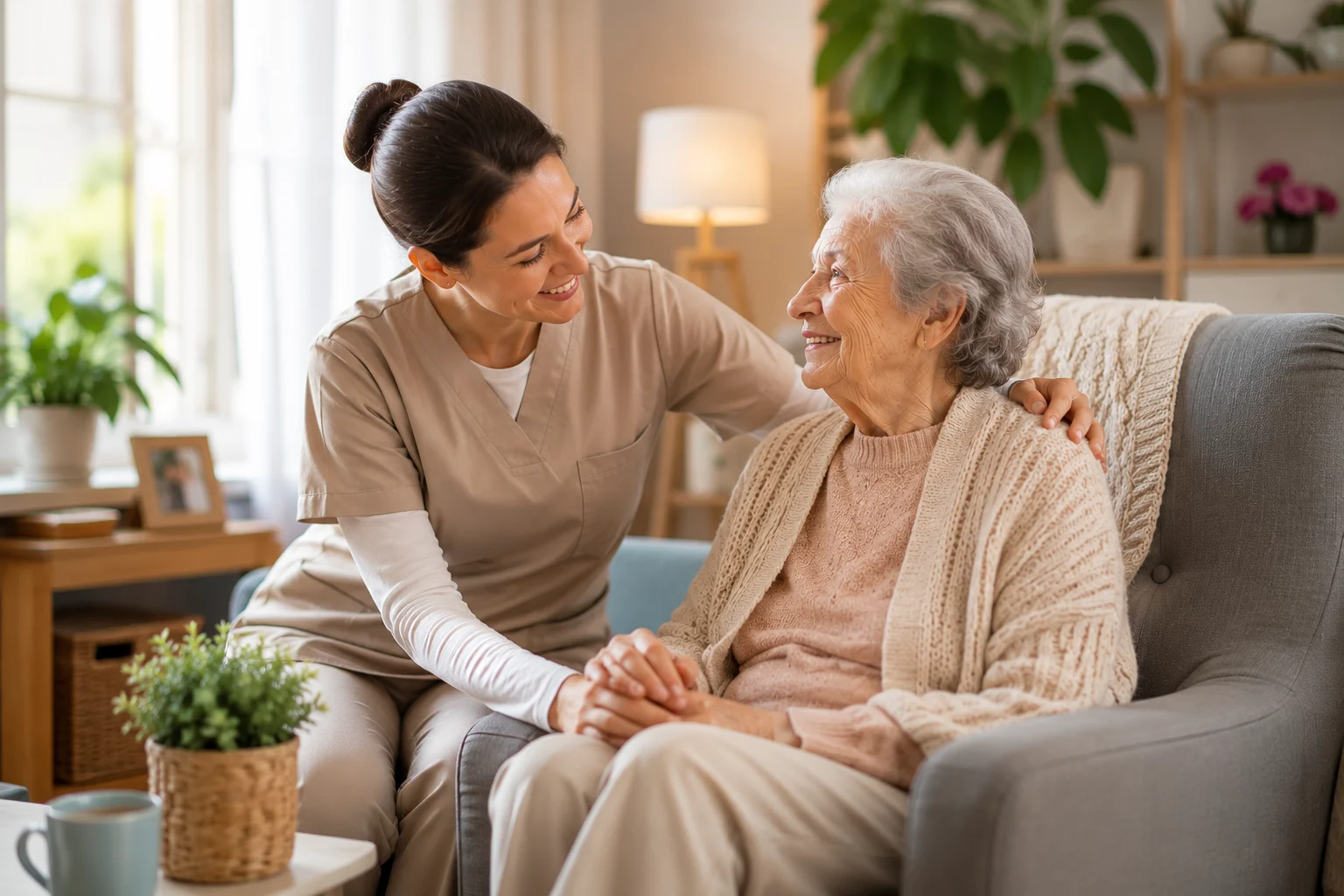
Technology supports independence, but it cannot replace kindness, conversation, emotional support, or personalised care.
Human connection remains one of the most important aspects of healthy ageing.
Technology works best when it complements professional caregivers rather than replacing them.
Choosing the Right Technology for Seniors
Not every device is suitable for everyone.
When selecting technology, consider:
- Ease of use
- Large displays and simple controls
- Reliable customer support
- Compatibility with existing devices
- Individual health needs
- Future care requirements
Starting with one or two simple devices often makes technology adoption much easier.
How Pearl Home Care Supports Technology for Seniors
At Pearl Home Care, we understand that every person has unique needs.
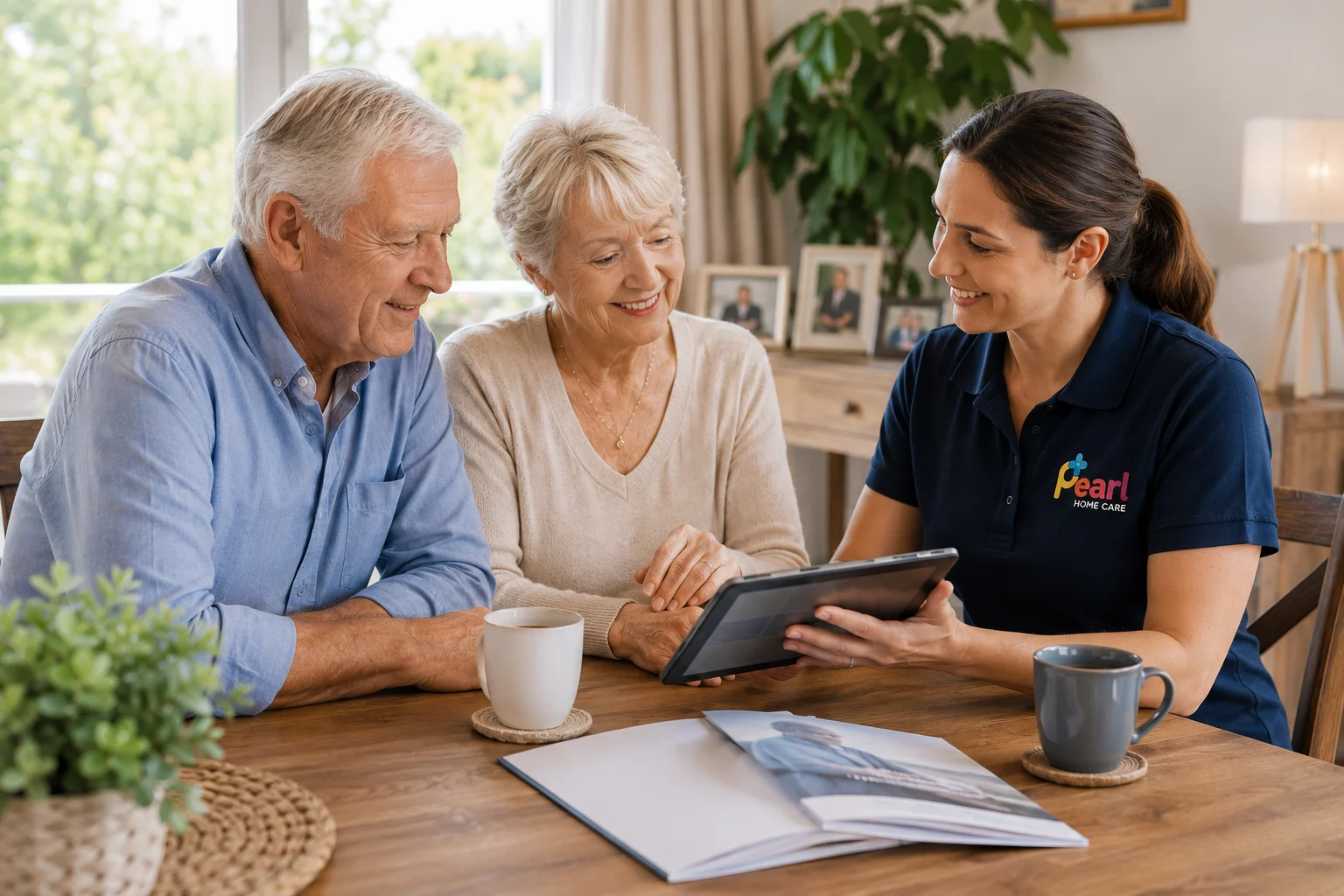
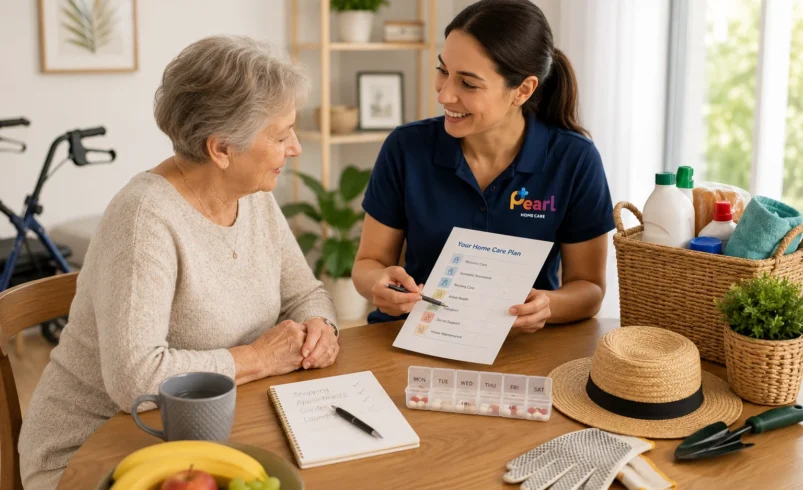
Our experienced care team helps clients combine personalised home care with practical technology solutions that promote confidence, independence, and safety.
We can assist with:
- Personalised care planning
- Home safety assessments
- Medication support
- Community participation
- Daily living assistance
- Family communication
- Encouraging safe use of technology
Our goal is to help every client remain comfortable, connected, and independent for as long as possible.
Conclusion
Modern Technology for Seniors is changing the future of home care by making everyday living safer, easier, and more connected.
From smart home devices and medical alert systems to wearable health monitors and video communication, technology empowers older Australians to maintain independence while staying close to family and professional caregivers.
When combined with compassionate, personalised support from Pearl Home Care, these innovations create a safe and fulfilling environment where seniors can confidently age in place.
Frequently Asked Questions
What is the best technology for seniors living at home?
Ans. Popular options include medical alert systems, smart home devices, wearable health monitors, medication reminders, and video calling platforms.
Can technology help seniors live independently?
Ans. Yes. Technology improves safety, supports daily routines, encourages social connection, and helps older adults remain independent for longer.
Are smart home devices easy for seniors to use?
Ans. Many smart home devices are designed with simple voice commands and user-friendly controls, making them suitable for older adults.
Can technology replace professional home care?
Ans. No. Technology is designed to complement professional home care, not replace the personalised support, companionship, and assistance provided by experienced caregivers.
How does Pearl Home Care use technology?
Ans. Pearl Home Care combines personalised home care with practical technology solutions to help seniors stay safe, healthy, connected, and independent in their own homes.